

Tracking your construction work in progress
Accurate, real-time WIP reporting is the best way to keep projects profitable and on-track.

What is work-in-progress (WIP) reporting?
At a basic level, WIP reports show the status of a construction project: whether it is on budget, over-billed, or under-billed, as compared to the project timeline. But this simple statement refers to a wildly complex cash flow, plotted against the progress of the project ... and more importantly, who’s paying for it, and when.
Why is WIP important?
If a project is under-billed, cash is flowing in after the work has been done and the resources have been used up — meaning the contractor (you) are essentially financing the project. There can also be inflated reported revenue on financial statements, which leads to higher taxes.
If a project is over-billed, the work lags behind the pace of the billing, meaning that your customer is financing job costs. This might not sound like a problem for you; but early billing means front-loading the cash without accounting for cost overruns or punch-list items — and that translates to profit fade and cash-flow problems at the end of the project.
What is in a WIP Report?
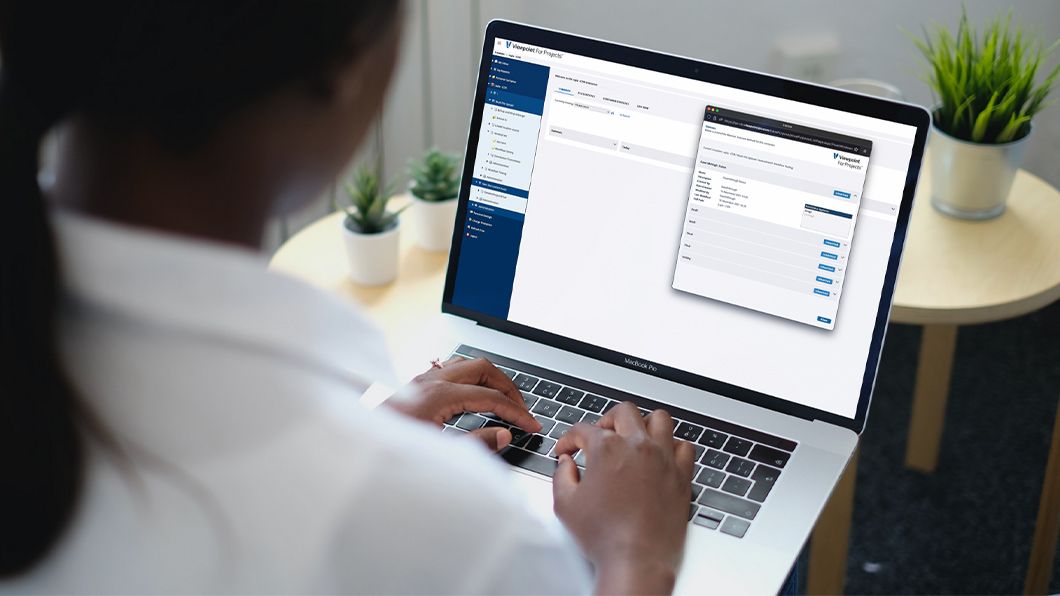
WIP reports are a project management and accounting tool that reveal the financial health of a project relative to its progress. They can identify red flags early-on, and help avoid profit fade down the road.
Work-in-progress reports often include:
Total amount as stated in the contract
Estimated costs
Remaining profit
Costs incurred so far
Percent completion of the project
Billed revenue
Paid revenue
Over/under billings
Project backlog
Compiling this information across departments, including field and office, is a crucial way for contractors to become more efficient and generate an accurate picture of their business.
Common problems in WIP reporting
Construction accounting departments use spreadsheets for 59% of their processes, and project managers use spreadsheets for 45% of their work. This can involve tracking tens of thousands of inventory resources, and thousands of vendors and resources — which can change every day.
Besides the extreme complexity of tracking WIP as the project progresses, manual WIP reporting is prone to:
Errors in data entry
Duplicate data entry from different departments
Non-standardized data, such as multiple different spellings of a company name
Human error, like forgotten invoices, lost documentation and miscommunication
Data entry mistakes are compounded when WIP reports track multiple projects and involve team members across departments. Yikes!
How to create accurate WIP reports

Getting information from the field team into the office quickly and accurately cuts down on human error, financial reporting mistakes, poor resource allocation and profit fade.
Accurate WIP reports provide an early indicator if a project is over- or under-budget. Work-in-progress reporting provides an accurate picture of the balance sheet. But how do you get there?
1. Use accurate, real-time data
The key to accurate WIP reporting is accurate, timely data.
Dynamic, up-to-date information from the field, such as actual costs, progress made, change orders and contract information, ensures the accounting and project management teams create accurate reports. Excel spreadsheets become outdated almost immediately because they have to be updated manually. Successful contractors rely on connected, cloud-based construction management and accounting software to gather, update and share information quickly though automated workflows.
2. Track work completed instead of hours or labor costs
Another critical part of the WIP process is understanding the amount of work that has been completed on a project.
For example, many labor-heavy companies base the percentage of work completed on actual work done in the field (instead of hours used or labor costs).
When WIP is based on work completed rather than work remaining can provide an early warning that job productivity is slipping and is in danger of running over budget.
3. Compare units completed to percentage of budget spent
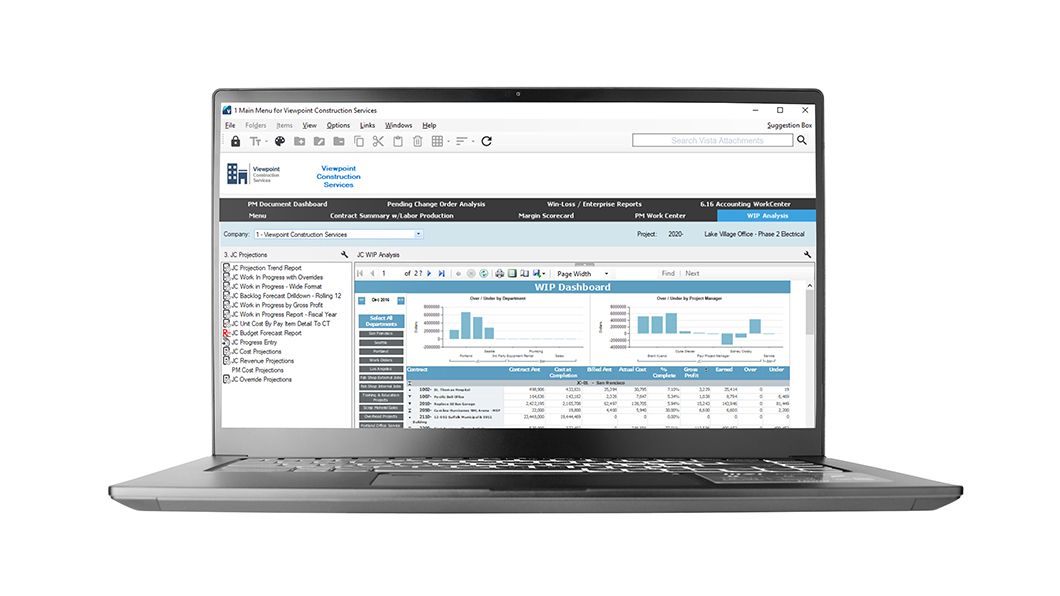
To pinpoint potential cost overruns, use a project management tool like a burn-down chart to track work completed against money spent.
4. Estimate percent-complete
When precise financial information isn’t available, you can use real-time and historical data to identify recurring trends to more accurately estimate the percentage of the project that has been completed.
5. Cost to finish
How much money will it take to finish the job? Include labor, materials and other resources needed to complete a job (and don’t forget to add a margin for error and unforeseen project changes).
Accurate, timely WIP reports take information from the field and use it across departments, so contractors can manage cash flow better. WIP also clarifies the profitability of jobs and aids accurate financial reporting. Using modern, connected construction software with built-in WIP tools helps companies identify and nip financial losses in the bud.
See how Trimble Construction One can help your WIP-reporting—and win you more business


