What is parametric design? Parametric design is guided by a set of parameters and rules defined by the engineer that generate or control the design output. It takes efficiency and possibilities one step further than traditional 3D modeling, in which objects are inserted and modified manually. Used in a variety of structures ranging from standard to complex, the concept allows for a wholly dynamic design process.
A model based on parameters and logical rules
The rules of a parametric design are often based on algorithms, in which case we can also talk about algorithmic design. The approach is very different from 2D CAD or traditional 3D modeling, where all elements need to be individually defined and added. You input a set of parameters, such as distance, angle, height, point in space or surface into the software and add a set of logical rules for the parameters. The algorithms then calculate values, creating a visual representation of your design based on the output of the calculations.
The system challenges less-automated design techniques. Instead of manually modeling a hundred beams, you can use parametric design to define the dimensions and relationships between the beams. The set rules can then generate all the beams in the model for you based on your input parameters. The entire design can be modified later on and the model adapts to the changes according to the logic, rather than having to change individual items.
A comprehensive approach to design
In parametric design, software takes on a more active role. This doesn’t replace engineers, however, as their role is to define the logical setup. In fact, parametric design gives the engineer more leverage and possibilities by providing an entirely new approach where the design is constantly viewed as a whole. Because manual work is reduced and the model is created as an entity, more time can be spent on the design itself rather than tweaking individual parts. Thus, design quality becomes better, and there’s less potential for human error.
Iterations are also easy to do. Because the design describes the relationships between objects, any changes made to the input data are reflected on the entire model. When you change the length of a beam, there’s no need to calculate new values for each related element, because they will adapt to change based on the criteria you’ve set for the model.
The next step from 2D and 3D
Using parametric design is a revolutionary way of creating a visual, dynamic model. It has already been used successfully in large construction projects with many moving parts, such as the Randselva Bridge project. Moving directly from 2D CAD to parametric design is a big leap, so it’s best to start using it as a continuum of 3D modeling. At its best, parametric design disrupts traditional ways of working and allows for a more creative and rich design process.
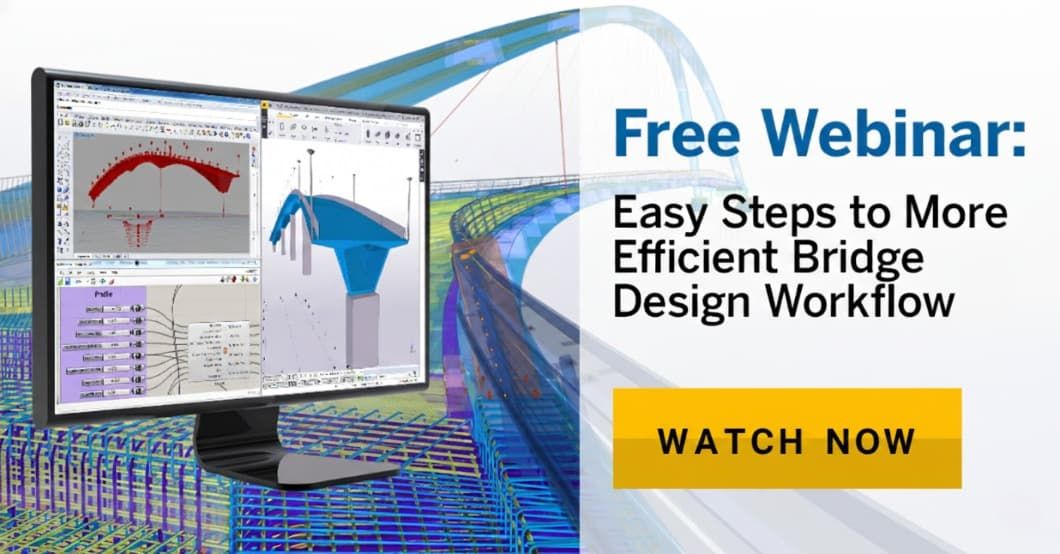
Watch our FREE webinar: Easy steps to more efficient bridge design workflow