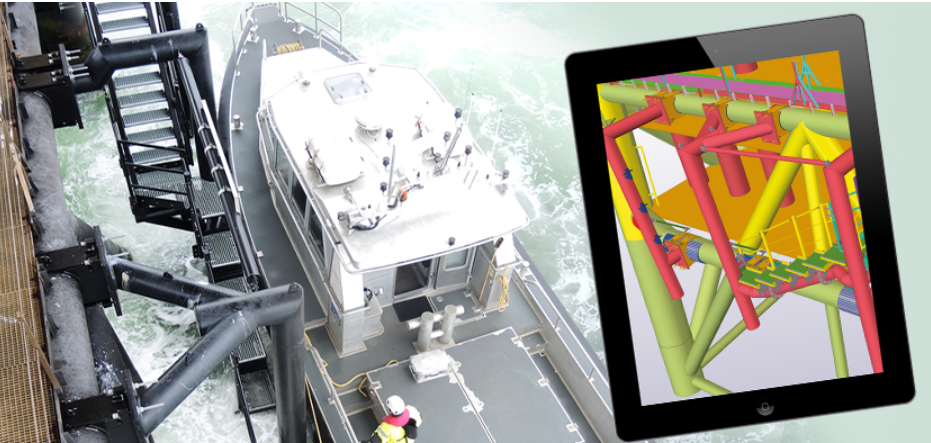
Pinnacle has been appointed as the structural engineering consultant to assist in the development and structural engineering of a safe and reliable boat landing (boat landing) off the Dutch coast. The boat landing will be used by workers to get to and from the oil platform. The main engineering challenge was to install the boat landing in the existing jacket between the sea level and the "spider deck" of the platform. The boat landing had to be safely accessible from the vessel within a 2-meter tidal range and had to be able to be smoothly transferred to the spider deck via safe steps after berthing.
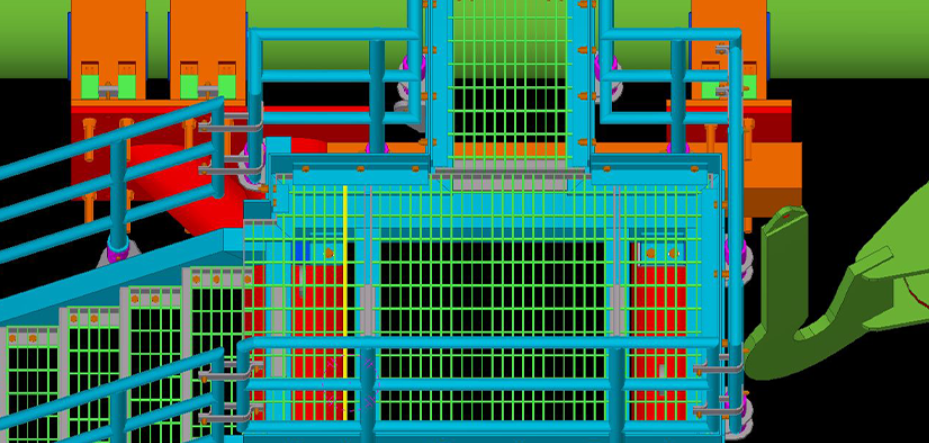
In addition, the structure had to be installed using a platform crane rather than an expensive jack-up barge. As with any offshore structure project, safety was paramount, and under no circumstances was the existing jacket structure to be drilled or welded. It also had to be installed safely and accurately in a single pass, with no rework on site. Once the design was complete, Pinnacle then had to create a set of fabrication drawings and provide them to the fabricator in the Netherlands.
Fixing clamps were an important factor in the design because they had to be easily installed and accessible from the front and had to fit within the required dimensional tolerances.
The lower clamps had to be installed within a very short time frame when the seawater level would be below the bottom of the clamps. Accuracy was also essential, and the challenge was that the new structure had to be constructed within design tolerances.
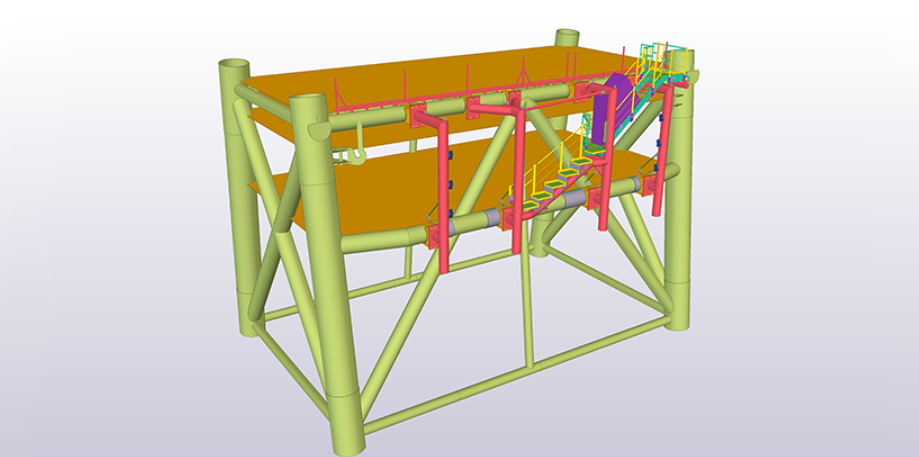
In addition to the design details, wind, wave, tide, and impact conditions were also evaluated before the boat landing structure was analyzed and detailed in Tekla Structures. In addition, we also checked for phasing of the transportation and installation. Pinnacle's client agreed to work closely with key stakeholders early in the design process, resulting in effective design and collaboration. Collaboration has resulted in an effective design. Steel fabricators, vessel operators, installation and rope access contractors were involved from the structural design and detailing stages to ensure that the major clamp and frame installers were working in the manner recommended.
Using Tekla Structures
Pinnacle used the original as-built drawings to quickly create a 3D model. This initial model served as the basis for creating the basic design of the structure and clamps. From this model, the company created a Tekla BIMsight model (including views of certain details), which was used in meetings between the client and the Dutch installer. The detailed and clear presentation of the images facilitated coordination with the client's team. We were also able to list the main issues early on, which made it easier to make changes to the design. In addition, we have been able to accurately communicate the required tolerances and use this information to address the need for a site survey.
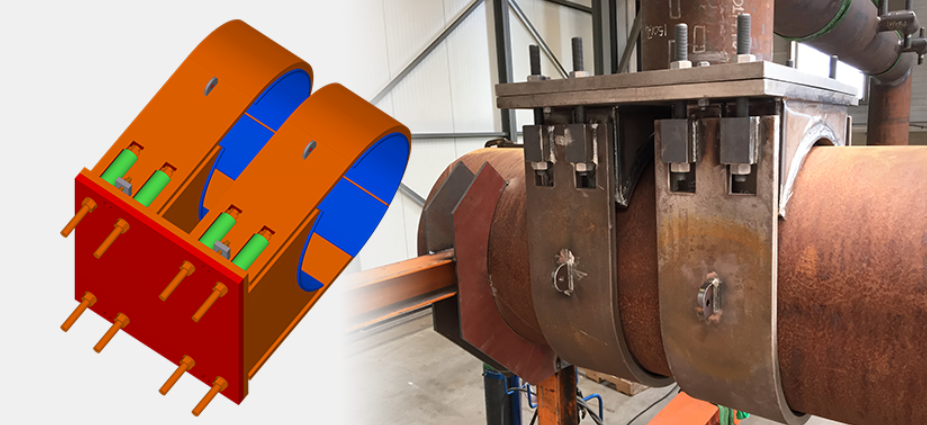
Matt Byatt, Pinnacle: "At any stage in the design process that we feel is important, we create a 3D PDF to present to our clients and team. We import the laser scan data into the model in dxf format and match it to the critical positioning points in the model. This allowed us to get an accurate location of the inside of the tubing members."
The result of this design collaboration was that the boat landing was installed in two locations "one time, accurately, and on time. It was very cost-effective, and despite the difficult conditions, there were no accidents and no on-site modifications were required.

