

By Ian Warner, Director of Industry Workforce Development and Innovation, Trimble
Positive energy was undeniable at the Trimble Dimensions 2025 user conference in November. Content at the event explored the latest in connected technology, agentic AI and the incredible digital transformation happening in engineering and construction. Underlying the optimism was a darker theme that resonated in almost every conversation and keynote presentation: people; or, more specifically, the challenge of finding them.
During a special Spotlight Live session at the conference, we confronted a stark reality. In the U.S. alone we're facing a shortage of more than three million workers across the construction, manufacturing and industrial sectors. Rather than just dwelling on the problem, we focused on the solutions. We brought together leaders from non-profits, government and industry to share how they are creatively bridging the gap.
Here are four key takeaways from our session that highlight how we can connect, scale and build the workforce of the future.
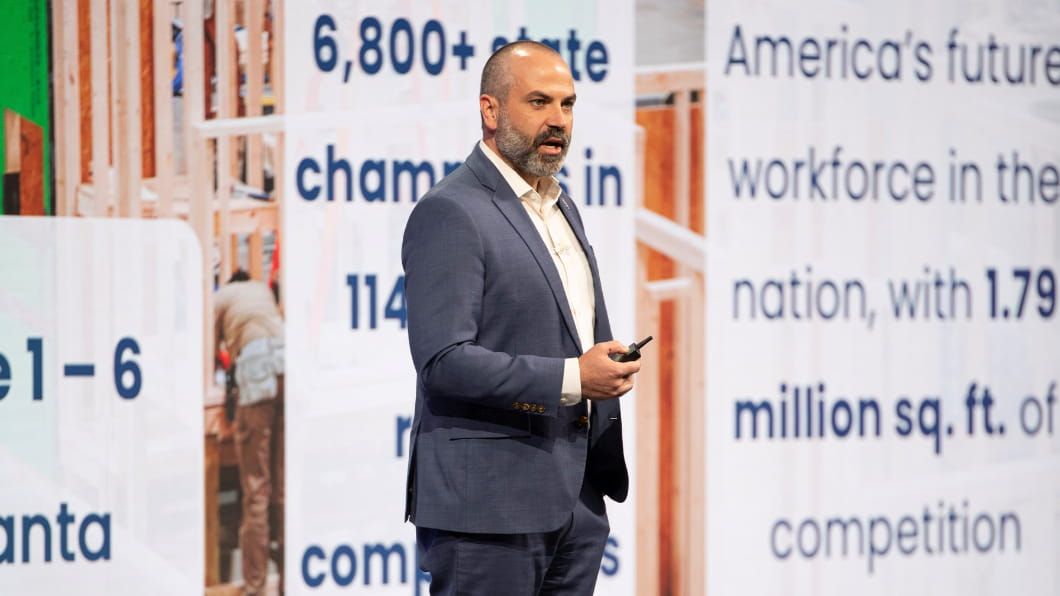
1. SkillsUSA: Closing the skills gap with a framework
The "skills gap" is a term we hear often, but Brandon Hudson, director of workforce development for SkillsUSA, framed it differently. It's not just about a lack of bodies; it's about a misalignment of skills. SkillsUSA is tackling this by preparing more than 444,000 student members annually through a unique framework that emphasizes both technical abilities and essential soft skills like integrity and work ethic.
Hudson highlighted that industry partnership is critical. It's not enough to hope schools teach what we need. We must be in the classrooms and at competitions—like the massive National Leadership and Skills Conference in Atlanta—to ensure competencies match real-world demands. When industry drives the standards, students graduate not just ready to work, but ready to lead.
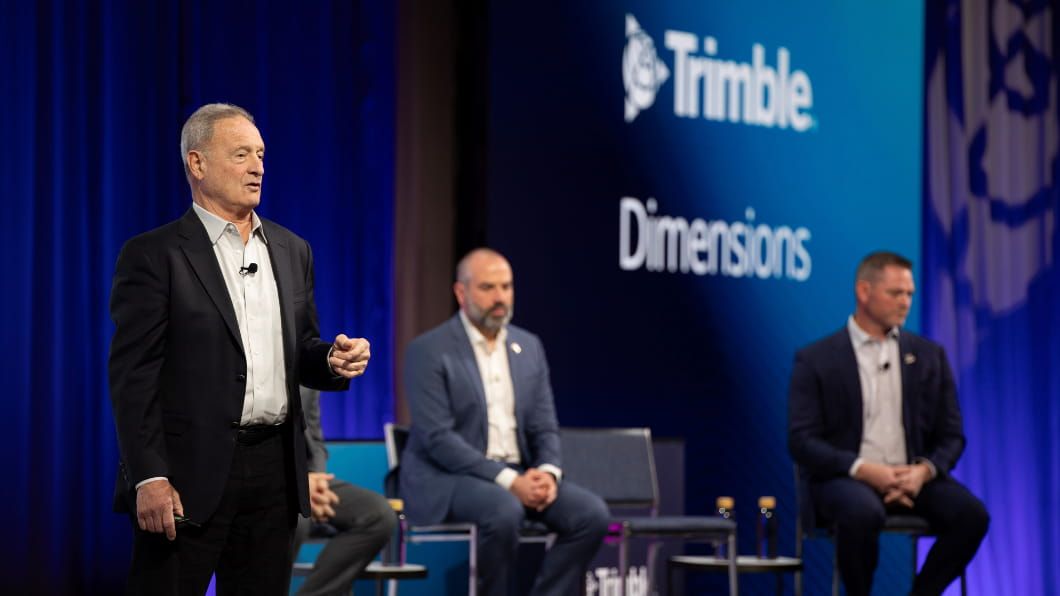
2. Geography and geodesy: Making the Earth sexy again
We often overlook the foundational science of our industry: geography. Lee Schwartz, the former Geographer of the United States, shared a compelling perspective on how we attract talent to geospatial fields. With U.S. geodesy programs shrinking, we risk losing our competitive edge in international leadership.
The solution lies in showing the next generation that geography isn't just memorizing state capitals. It's about high-stakes international relations, disaster response and "participatory mapping." Schwartz pointed to the success of the AP Human Geography program, which has grown from 2,000 to 280,000 students in recent years through a curriculum created by the American Geographical Society, where he now serves as CEO. By engaging students early with tools such as Trimble SketchUp and showing them their work matters globally, we can revitalize the pipeline of geospatial experts.
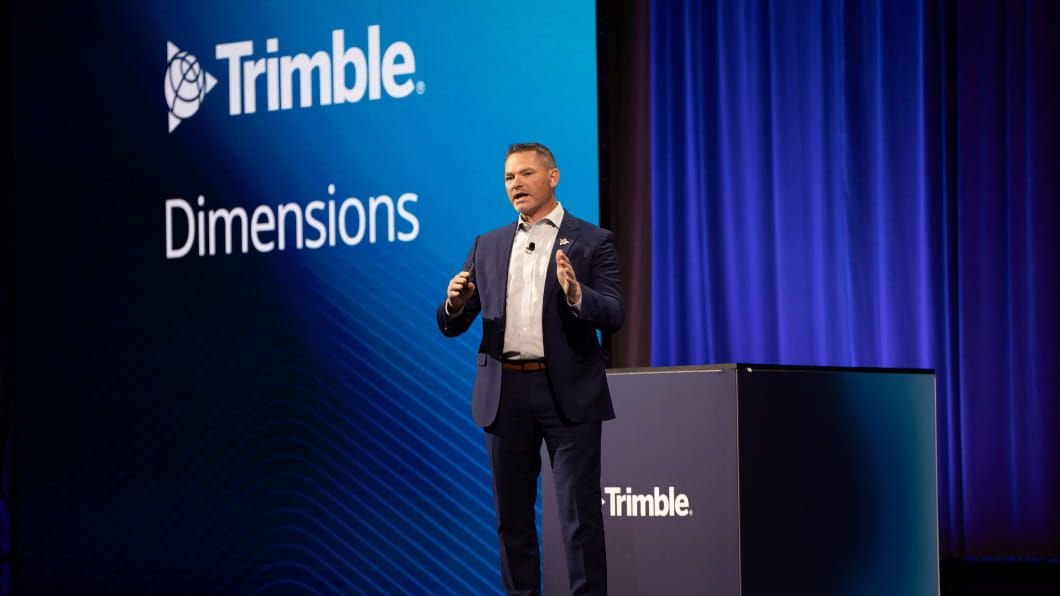
3. Helmets to Hardhats: A natural transition
There is perhaps no greater untapped resource than our military veterans. Martin Helms, executive director of Helmets to Hardhats, discussed the organization's mission to connect transitioning service members with registered apprenticeship programs. To date, they have successfully transitioned nearly 55,000 veterans into skilled careers.
Helms noted that the transition from military service to construction is a natural fit. Both cultures value regimen, physical activity and seeing the immediate results of one's labor. But the most critical shared value is trust. In an industry where safety and reliability are paramount, veterans bring a level of leadership and dependability that is invaluable to any job site.
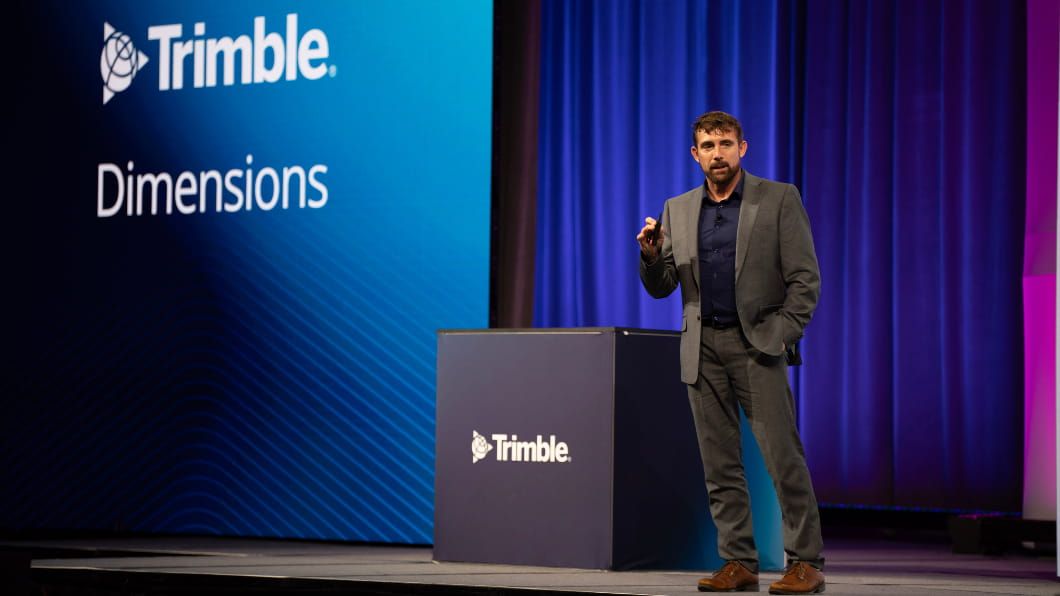
4. DPR Construction: Technology as a recruiting tool
Finally, I shared insights provided by Alison Tripp, talent acquisition manager at DPR Construction. DPR is currently tackling massive data center projects in Texas and Louisiana, each requiring a staggering 5,000 craft workers. Finding that many people in remote areas requires more than just traditional recruiting; it requires innovation.
Alison's team is using technology—specifically, digital twins and virtual design—not just for efficiency, but as a recruiting magnet. When young workers see that they will be using robotics, laser scanning and 3D modeling, they see the job as high-tech and exciting. Furthermore, this "digital rehearsal" of the physical execution of a project improves safety, keeping workers healthy and in the industry longer.
Building what comes next—together
Solving the labor shortage won't happen in a silo. It takes visionaries like Lee Schwartz, advocates like Martin Helms and Brandon Hudson, and innovators like Alison Tripp working in concert.
Trimble is committed to being the partner that connects the dots, linking education to industry and veterans to new opportunities. The work is hard, but the path forward is clear. Let's build it together.
Learn more about Trimble's efforts to train and equip the next generation of construction and geospatial professionals.


