
Case study
Rochdale Riverside Project
Three specialist contractors go paperless to boost efficiency, save time and streamline site reporting with Trimble Field View across the Upperbanks project.
Impact
- Cut manual admin time with instant digital forms
- Gained real-time visibility across projects
- Reduced site–office back-and-forth
- Used trend analysis to prevent repeat issues
At a glance products
- Viewpoint Field View
It's quick, it's easy. It's open to every sector of the business for everyone to see where each project is, where we are to manufacture, where we are with delivery. We use Field View reporting on a daily basis on all aspects of the business: health and safety; quality program; manufacture; delivery of product to site.
Stephen Parkermanaging director, Sigmat
Introduction
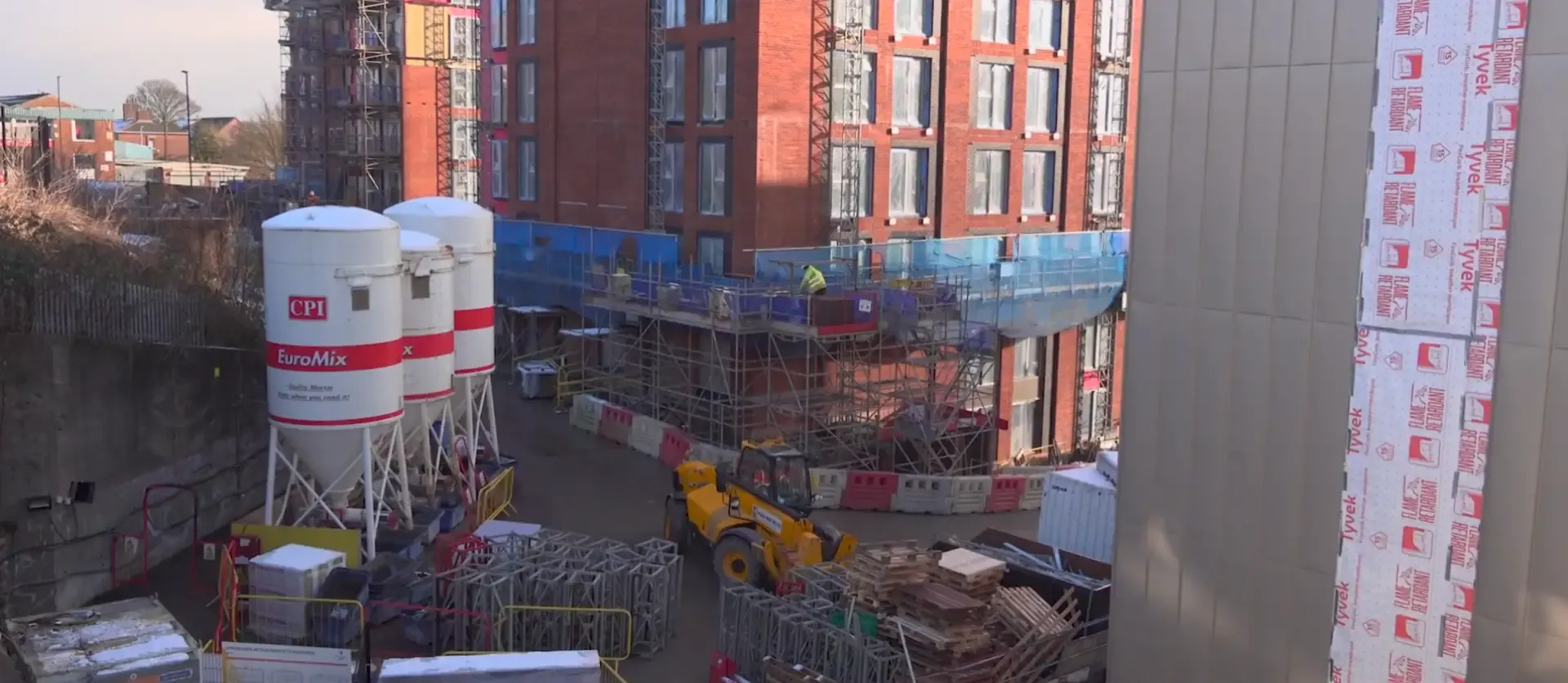
Field View is being used on the second phase of the Rochdale Riverside project, titled Upperbanks. This will include two blocks of nine and ten story apartment blocks delivering 242 one- and two-bedroom apartments. It will also feature a 146-bedroom hotel and the potential of 43,000 sq ft of offices.
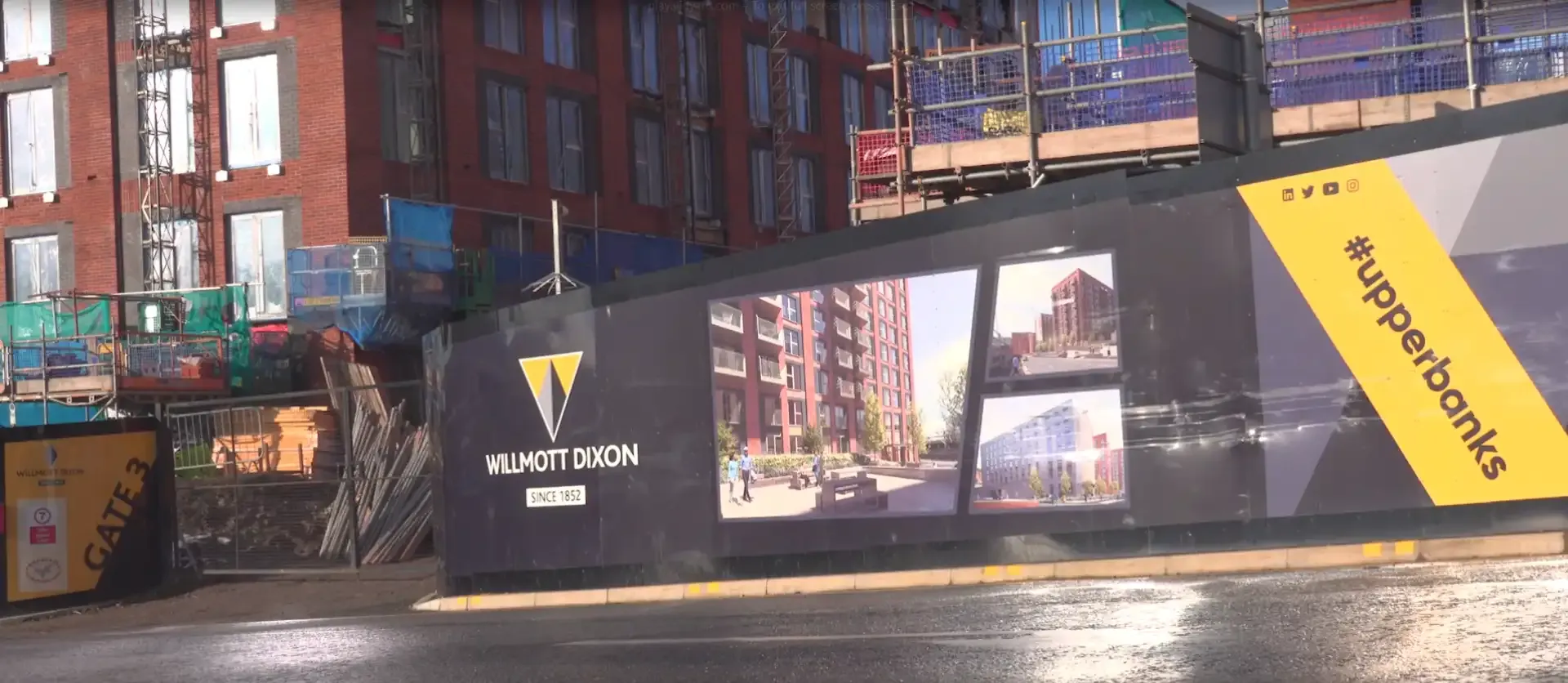
Not only is Field View being used by the main contractor at the helm of the project, Willmott Dixon, but three specialist contractors are also using their own Field View solution on the build.
Firstly, RED Systems is a structural facades specialist subcontractor. Next, Sigmat is the leading European manufacturer of cold rolled steel components and panelled structural steel frames. Lastly, part of the Cara Group, the Cara Brickwork operates throughout the UK with offices in the North West, Yorkshire and Merseyside.
By using Field View, the three varying businesses have managed to take site processes that were laborious and time-consuming and turn them paperless. The result? They’re saving time, money and their sanity.
Let’s have a closer look at how these three businesses did it.
The challenge
Using paper instead of digital can feel like treading water, making little progress. Information is captured, but nothing meaningful is done with it, and eventually it can become misplaced.
Michael Green, managing director at RED Systems, explains the problems, “all of our health and safety and quality was done by paper. The problem with paper systems we found was, obviously with site conditions, it's difficult to keep paperwork. Sometimes the office facilities aren’t adequate on site. And then we had inconsistency across the projects, with different standards of recording information.”
The decision
That’s in part why these three businesses made the decision to go paperless. Stephen Parker, managing director from Sigmat, perhaps sums it up best, “everything was paper orientated and that was laborious and time consuming.”
Neil Allen, managing director at CARA Brickwork expands, “we used to do all our timesheets, health and safety, general correspondence on paper. This was like a carbon copy, one got distributed to the client, one to the office, one to the commercial team and one stayed on site for site records. As we could have up to ten sites on the go at one time, imagine the amount of paperwork that went to the site and the office each week. So going paperless was, a bit of a no brainer, really.”
Implementing Field View
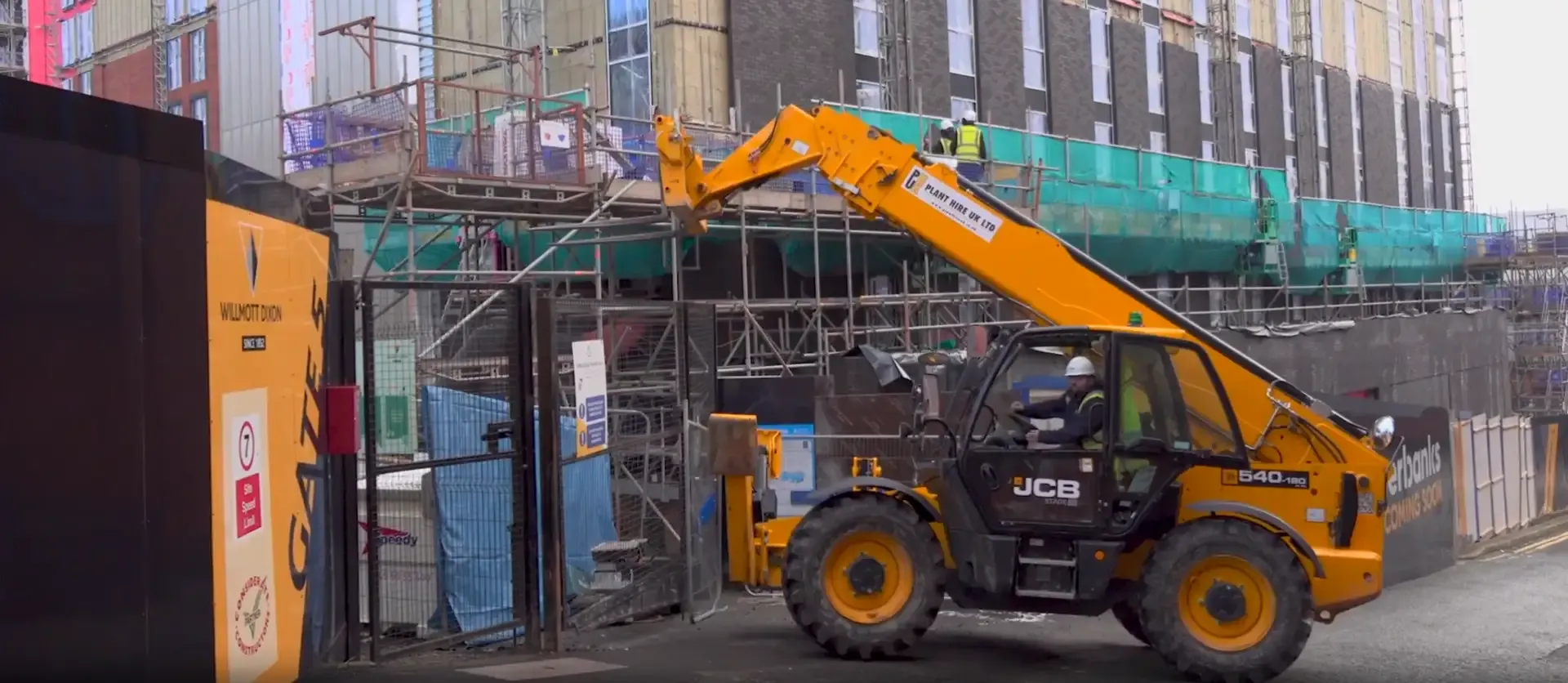
All three businesses had done their research into different solutions and had previously had exposure to Field View through main contractors such as Willmott Dixon.
For the three businesses, it wasn’t just a case of removing paper from the equation, but getting on board with where the industry was headed, as Michael says, “we saw that digital innovation was entering construction”. Specialist contractors are often led by the main contractors on a project, many of whom have had solutions such as Field View in place for a while.
Benefits of Field View
Although the three businesses specialise in entirely different areas, the benefits they’ve found through using Field View are consistent.
For one, digitising forms makes them instant and actionable. Neil from CARA said, “once you close a form off, that's sent directly to our right departments i.e. health and safety, commercial, quality, et cetera.” This alleviates all of the manual back and forth that can come from using paperwork and save the time that comes with that.
Stephen from Sigmat praised the usability of Field View, stating “it's quick, it's easy. It's open to every sector of the business for everyone to see where each project is, where we are to manufacture, where we are with delivery.” He continued, “we use Field View reporting on a daily basis on all aspects of the business: health and safety; quality program; manufacture; delivery of product to site.” Neil from CARA supports this, concluding, “it's real time reporting that we can monitor on site.”
To the future
Between the 3 businesses, their journey with Field View is at different maturities. For CARA, they are continuing to see the benefits of “the real time reporting, it helps us monitor the quality on site and efficiency overall.”
For RED Systems, they’re now looking to trend analysis alongside continuous improvement to begin to make agile business decisions easily. As Michael Green expands, “we can take the data out of Field View and start to do trend analysis across the company. So we're able to have a better overview of all of our projects in 1 place with the data…So, for example, in quality, we've spotted repeat trends on projects where we've built interventions in and made the company more profitable.”
The same rings true for Sigmat, as they’re looking to lean into the trend analysis that can come from having the wealth of data that Field View can provide. Stephen says, “the main value for our use in the future is the reporting and the quality of the reporting and the accurate forecast of the business.”
By adopting Field View, these three businesses have not only got rid of the inefficiencies of paper-based reporting, but they’ve identified and secured areas for further business growth. To them, Field View has proven to be more than just a site tool, it’s a strategic advantage when working with, and independently of, main contractors.
* Note: Since the publication of this case study, Sigmat is now known as Remagin. However, we have chosen to keep them as Sigmat for consistency with the accompanying video.


