

Using site management software to connect the office and jobsite helps improve visibility, increase efficiency and ensure quality work from start to finish. So how do you begin to move outdated paper based systems to streamlined site management software solutions?
Regardless of company size, every civil contractor can improve project efficiency and profitability by streamlining communication and collaboration between the office and the field. You only need to be willing to adapt to new processes and embrace change.
To determine whether you should invest in site management software, evaluate your needs, organization and team. Are you hoping to solve an immediate pain point, like reducing machine downtime? Or are you looking for solutions to help you deliver faster, more accurate estimates, or even scale up your business? Understanding your ultimate goals will help you identify how to apply site management software to your workflows.
As you work through this process, ask yourself these questions:
Can you push design updates to machines without traveling to the site?
Can you provide assistance and troubleshooting to on-site users without leaving the office?
Are you making the most of the data coming off your machines?
Can you ensure all machines and field workers have the correct data?
Can you review progress and utilization data from your field assets?
If you answered “no” to any of these questions, site management software could help you improve productivity and profitability.

Site management software connects the field and office.
Encouraging companywide buy-in
Build a small team to vet possible solutions. This team should directly benefit from implementing site management software and, therefore, understand the benefits and your goals. At least one team member should champion the effort and socialize the topic with the rest of the organization. This individual should be curious, want to learn and be willing to help team members adapt to change. When looking for a champion, remember they can come from anywhere in the company and be any age. They will help drive the journey of connecting your office and field, answering questions and providing encouragement.
Rather than demanding your team immediately switch to a new system, look for ways to help reluctant team members embrace new processes. Britton Lawson, director of construction technology with Veit & Company explained how he weaned a project manager off using a spreadsheet by allowing him to use the spreadsheet alongside the new system for 30 days. “Within three days, he was off the spreadsheet, and he was like ‘gosh, this is so easy.’”
You may also include purchasing decision-makers or people who control the budget. These financially minded team members should know the team’s objectives and why you are proposing an investment in site management software.
Most importantly, don’t operate in a vacuum. Get your employees and peers involved. They’ve experienced the painful disconnects and inefficiencies that you’re looking to fix and can provide valuable insight and enthusiasm for new processes.
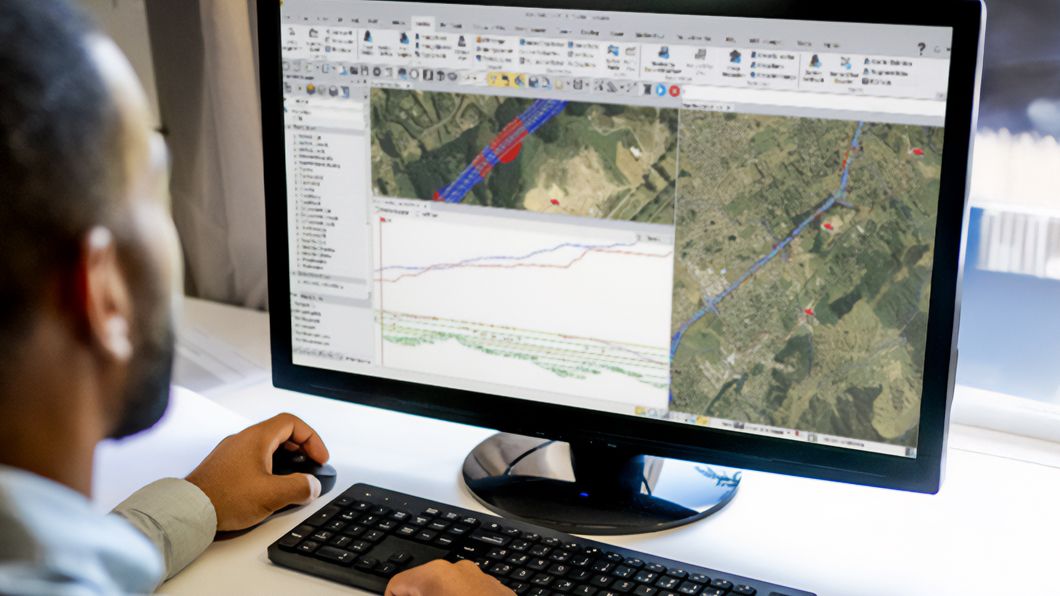
Creating 3D constructible ready models with Trimble Business Center.
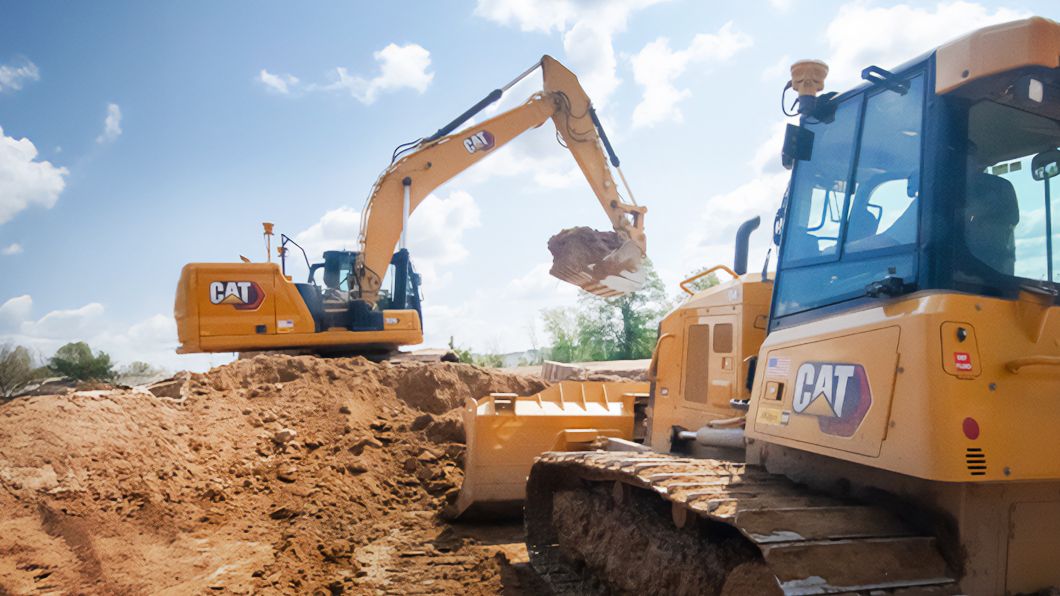
Site management software keeps the machines working from the most up-to-date designs.
Managing construction technology costs
Construction technology has historically come with large upfront investments. But not anymore. Technology subscriptions offer you a way to have a predictable cost of ownership, get the latest hardware and software across your fleet and have it maintained and serviced by local dealers.
And since all your machines are on the same system, knowledge gaps are reduced. Cross-training becomes simpler when there’s no difference in controls from machine to machine.
Look for providers that are easy to adopt, affordable for your entire fleet and offer a low return on investment. Lawson best sums up how you should think about construction technology and site management software: “It’s important to look at how much money it’s going to make you, not how much money it’s going to cost you.”
Evaluating site management software providers
Once you’ve decided that site management software could benefit your business, look for a technology partner who understands how you do business and can offer tailored solutions. The right partner will help you:
Identify your objectives
Evaluate where your current systems are not productive or are inefficient
Capitalize on the data you currently collect and explore ways your data can yield more value
Maximize your investment by training your team on selected solutions
Find an investment level that works for your budget.
The Trimble site management software portfolio keeps you connected and in control of your projects. Explore the portfolio to learn how you can confidently connect your office to your jobsites.

