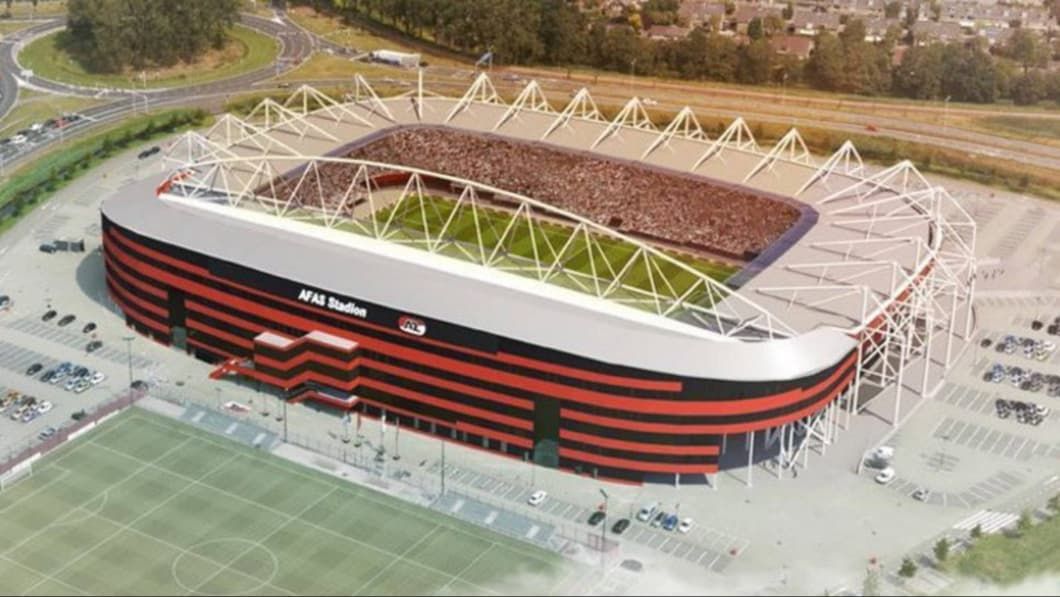
Improving stadium safety with detailed design and planning
In August 2019, soccer fans were shocked when part of the roof of AFAS Stadion's Molenaar stand in Alkmaar, Netherlands collapsed due to high winds. Fortunately, there was no match and no one was injured, but the damage was extensive. The design of the structural joints was flawed, the welds at the joints were not thick enough and pre-existing storm damage caused by high winds were all contributing factors to the collapse.
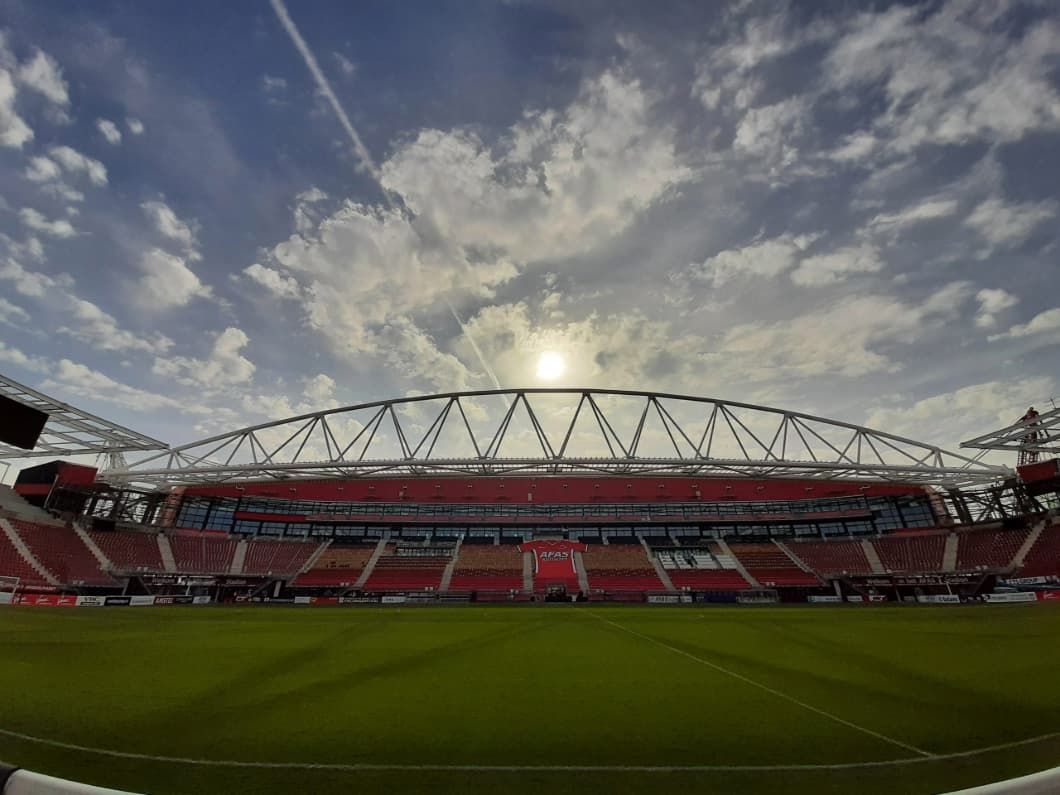
At the end of 2019, ASK Romein was selected for the design and structural design and will collaborate with BAM Bouw en Techniek. A full contract for the construction of the new roof was then signed in May 2020. In this collaborative project, ASK Romein was responsible for the overall engineering, fabrication and assembly of the steel structures' construction, which promised safety and quality.
Design
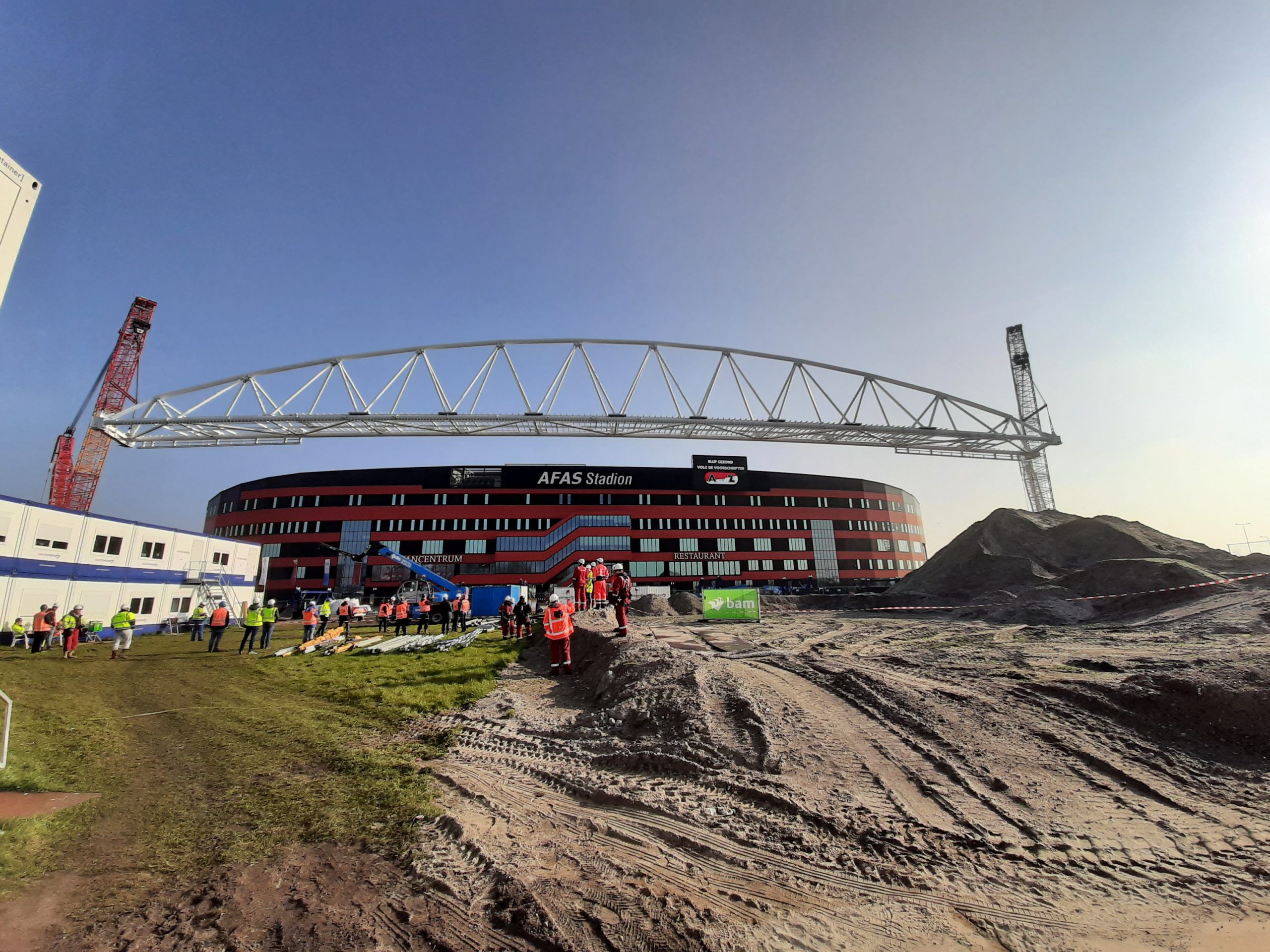
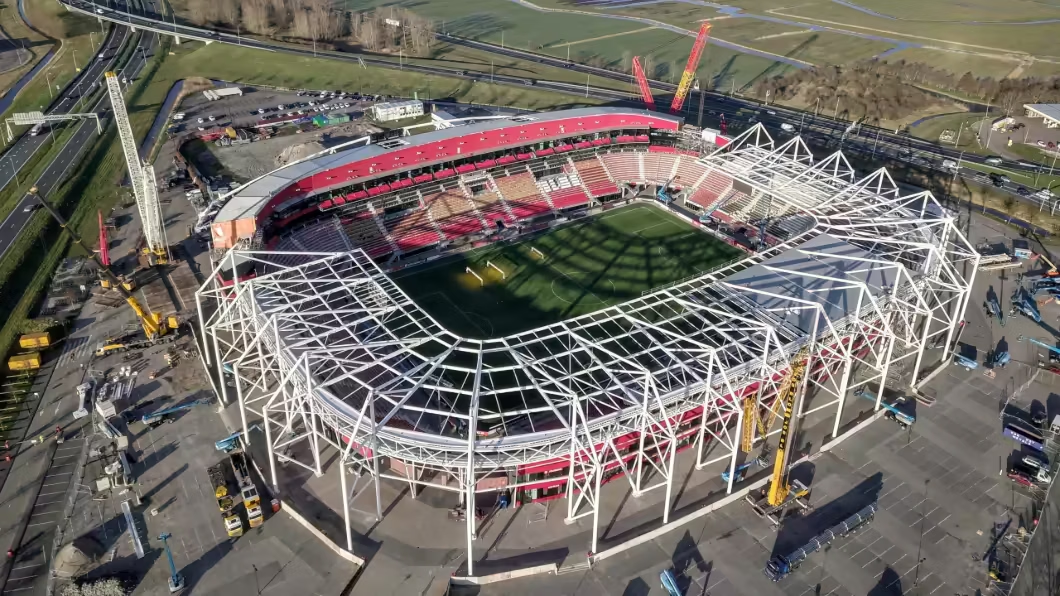
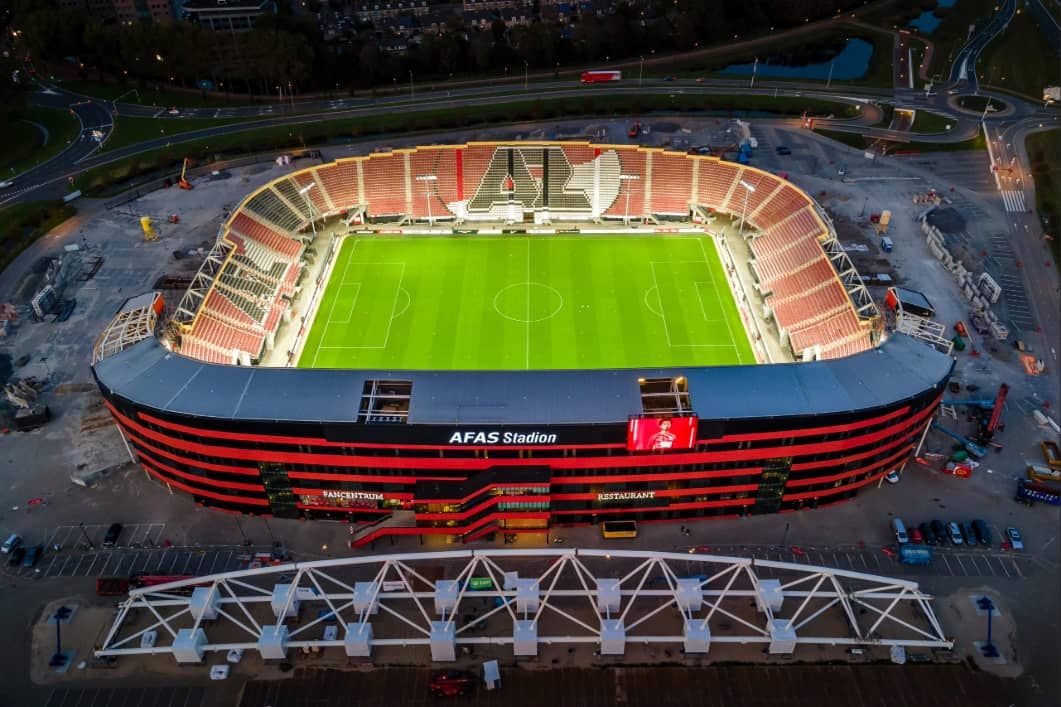
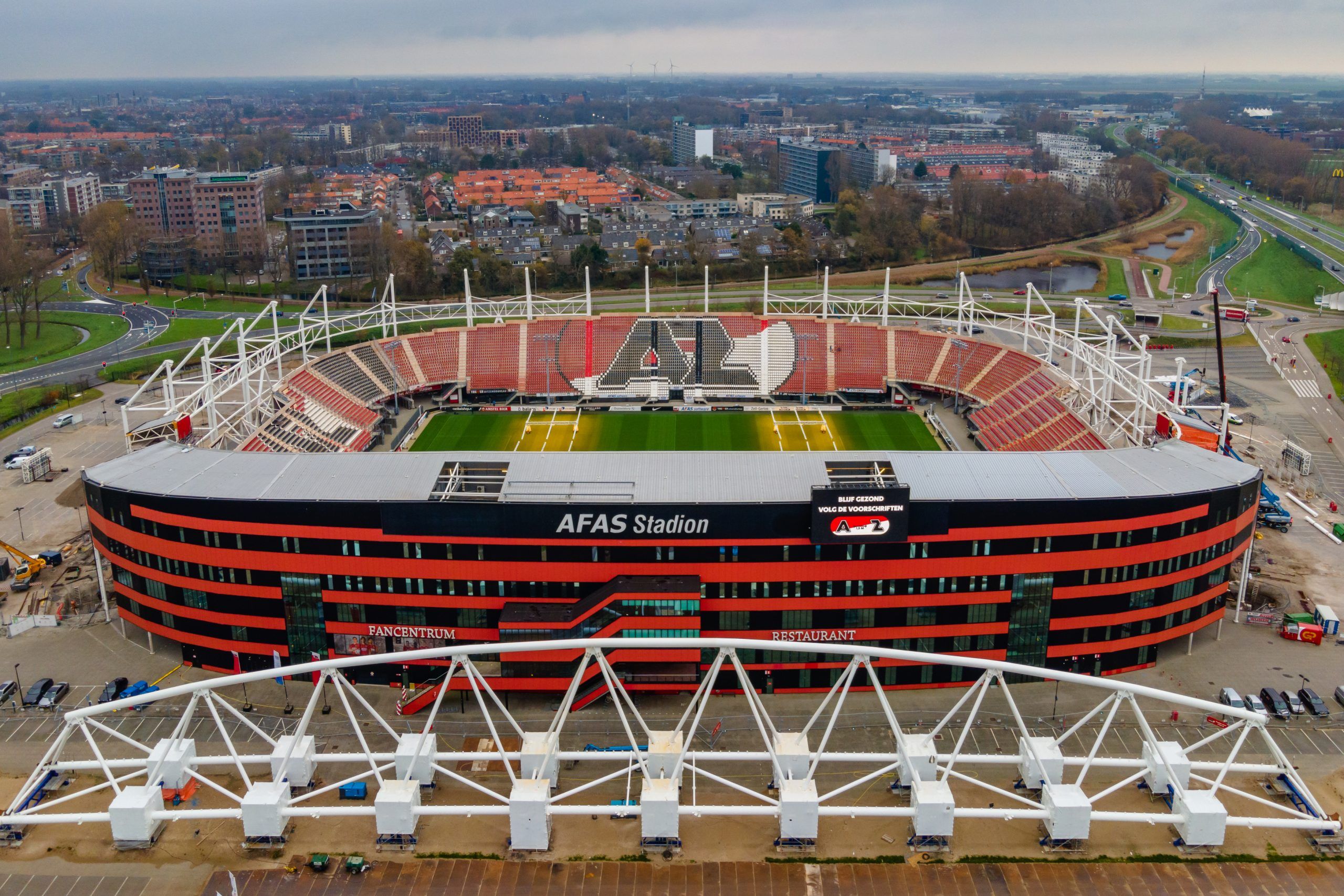
The new roof was designed by the design and engineering firm ZJA. Construction of the entire new roof took place around the perimeter of the stadium and away from the existing structure. The roof of the main stand is supported by a massive truss (mega-truss) weighing 600 tons, with a span of 170 meters and a height of 17 meters. Construction of the trusses took place next to the stadium and was installed on top of the stadium using a huge crane.
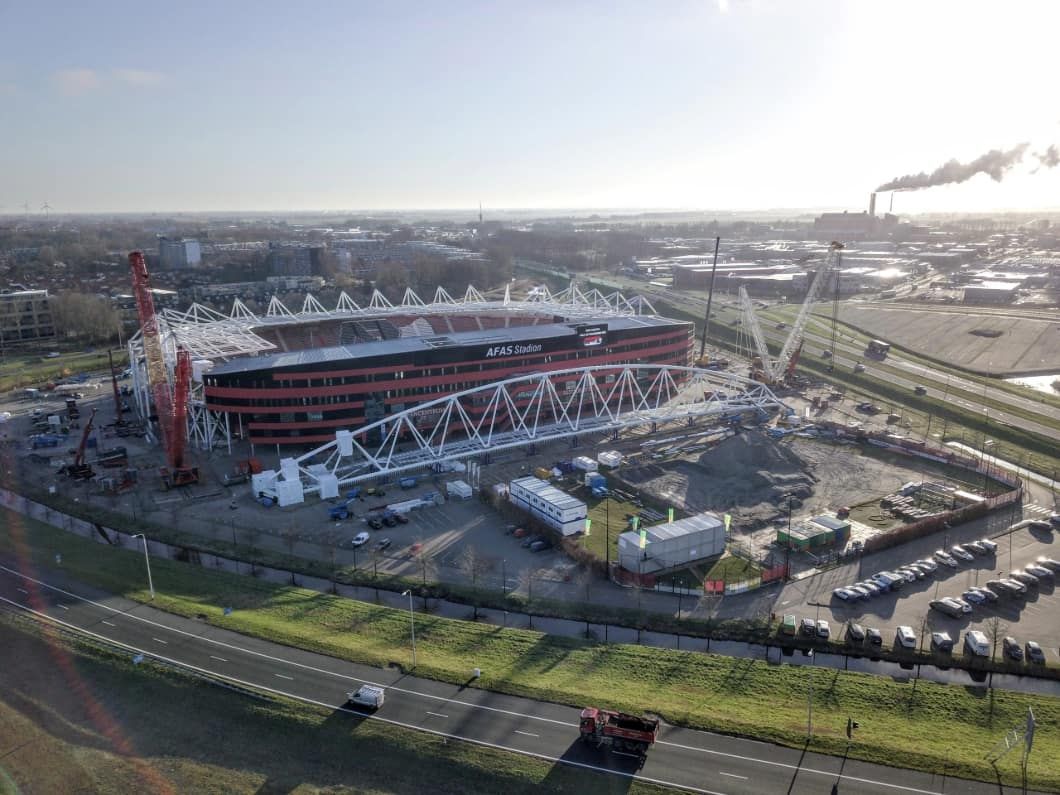
ZJA's roof renovation design makes efficient use of the space around the stadium, with a crane-like structure supporting the roof from outside the stadium. The new roof is straight and protrudes 30 meters into the stadium, making it more resistant to rain and wind than the previous roof.
Engineering
During the entire engineering process, optimal use has been made of BIM, allowing for clear communication between project stakeholders and seamless interaction between different software. The project has been very impressive, not only in terms of design, but also in terms of technology.
Since there are many points of contact between the existing structure and the new structure, point cloud data measured by the 3D scanner was used in the engineering and assembly process. This point cloud data was converted to IFC data and imported into Tekla Structures as a reference model for use. The model is being used in all phases of the project.
To the construction site
To ensure that the construction ran smoothly, the assembly supervisor and foreman constantly review and reconcile the 3D model and accompanying drawings in Trimble Connect using tablets and laptops. This approach has been more efficient than working with drawings as in the past. For example, joints and bolt diameters can be understood at a glance by the mechanic. Linking installation drawings are easy to open, and if a problem arises on the construction site, feedback can be shared immediately with the engineering team. Furthermore, because everyone had access to the latest information and worked from the same drawings and forms, miscommunication and work irregularities were minimized.
Cursor left to scroll through additional design images for the AFAS Stadion project:


