

Sun bakes the pavement of the Iowa Speedway, where engines roar between open cornfields and concrete walls. In the No. 6 Trimble Ford Mustang Dark Horse, RFK Racing's Brad Keselowski must maintain his cool to stretch his fuel. The short track's nonstop turns force constant braking and accelerating which burn through gas at a brutal rate. By lifting off the pedal early into each corner, Brad can save enough fuel to skip an entire trip down pit road and save 20-25 seconds of slowing down, servicing the car and climbing back up to speed. Pulling this off requires a delicate balance, one familiar to Iowans in cities and rural communities alike. Here, the locals are experts on how to do more with less, at every turn.
Heavy loads with light overhead
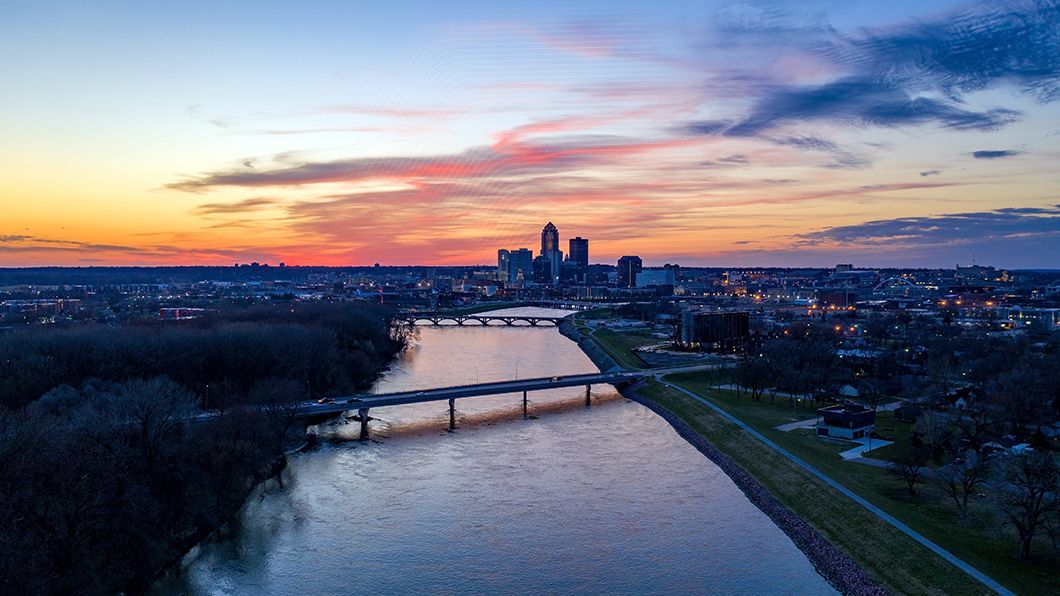
In Des Moines, fuel calculations affect entire communities. Solar Transport moves a lot of it: 250 trucks and 850 loads a day. Thousands of locals, from farmers to commuters, depend on them to deliver to gas stations on time, but managing logistics at that volume means small delays at terminals or missed tank readings can leave pumps dry and strand farm equipment mid-harvest. With Trimble software handling inventory forecasting and dispatching logic behind the scenes, Solar Transport doubled in size without adding overhead or burning through extra resources. They mastered the balance, maximizing every mile so local pumps never run dry and drivers make it home on time.
Low-lying and highly efficient
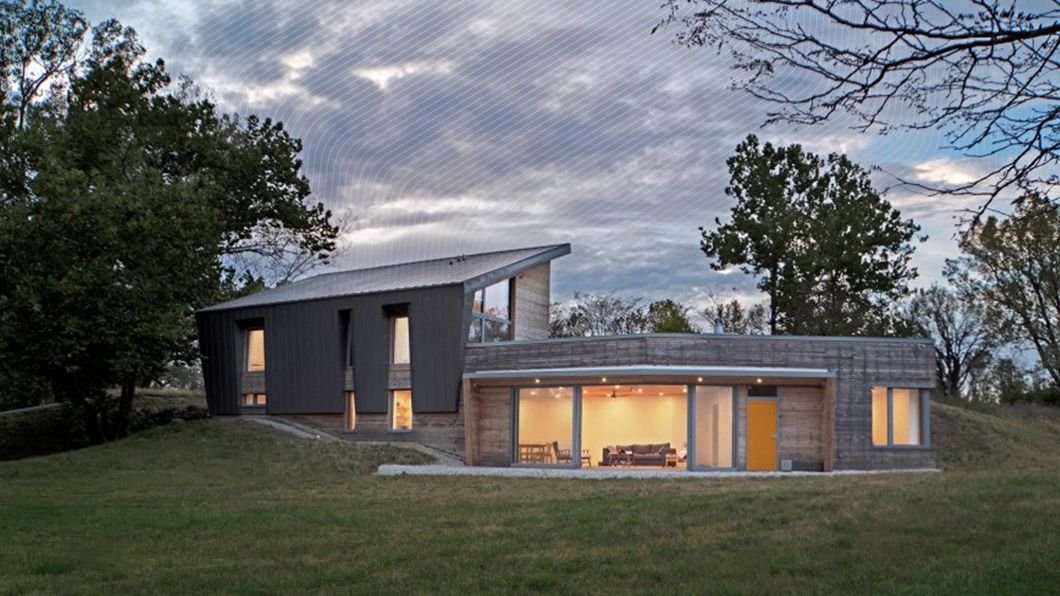
A modern design masterpiece. A comfortable multi-story home nestled on a hillside. A prime example of passive architecture. Any one of these features would make for an impressive build, but Sol Design + Consulting managed to fit all of them into the Iowa Nest Residence. Designed with the help of Trimble software, the home harmonizes with the landscape to give a local family a warm, light-filled shelter that keeps them cozy through frigid Midwestern winters on a fraction of the energy.
Water, water…wait, where?
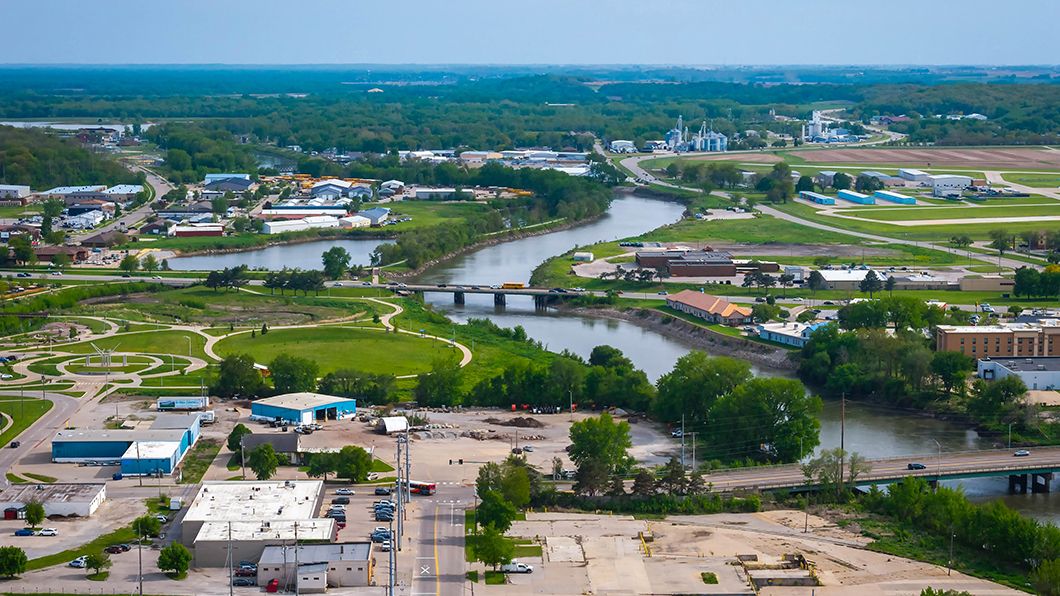
Cities manage density, but rural communities must overcome vast geography with small teams and tight budgets. Perhaps that’s why Xenia Rural Water District, headquartered in a town of 127 people, successfully delivers clean water to over 11,000 residents across 11 counties with just 30 employees. Equipped with Trimble GPS receivers, service trucks locate mains and log new infrastructure as they go, and the data flows into a live map of the entire distribution system, giving five field techs the power to cover 500 square miles each. A woman fills a coffee pot, cattle drink from a stock tank, a firefighter tests a hydrant in a town of 300, all thanks to that Iowan knack for making the most of their resources.
Add Trimble to your toolkit
Scaling the fleet without strain
Like Solar Transport moving 850 loads a day, keep dispatch and inventory forecasting in one system with Trimble TMW Suite, so a growing fleet carries more volume on the same crew.Smarter structures from the very first sketch
Like the architects behind the high-performance Iowa City Nest, analyze daylighting and energy use directly inside Trimble SketchUp paired with Sefaira, helping design teams validate energy targets and optimize efficiency during early design.Covering a lot of ground with a little crew
Like the field techs at Xenia Rural Water District covering 500 square miles apiece, capture positions and log new infrastructure with Trimble GNSS systems, feeding a live map that keeps the whole distribution network current.
Learn how Trimble integrated field-to-office technology gives teams the power to turn project projections into predictable outcomes.


