

Work on a civil construction site can be highly fragmented. Projects typically involve outside entities like design engineers, inspectors and subcontractors. Additionally, internal team members have different roles and responsibilities, which means they need access to the right information at the right time.
Despite the different roles on a construction site, everyone shares a common goal: Deliver quality projects on time, on budget and safely. However, office and field teams often spend a lot of time chasing down information, locating equipment or dealing with rework — all of which hinders their ability to reach that shared goal.
Linking the office and site can reduce this fragmentation and eliminate wasted time. The blog, “The transformative power of connecting the office and jobsite” discusses how connecting workflows across the construction lifecycle helps improve visibility, increase efficiency and enable contractors to ensure quality work from start to finish. In this blog, we’ll share examples of how civil contractors have transformed their operations and improved communication by connecting their offices and jobsites throughout the project lifecycle.
Ensuring all parties are in sync
The Peace River Hydro Partners joint venture relied on Trimble technology to construct a dam and hydroelectric generating station, a project that involved multiple earthmoving shifts. Recognizing disconnects in the data flow between the office and the field, they stopped using USB thumb drives to relay in-field scanning data to the office. Instead, they streamlined the process with Trimble site management software.
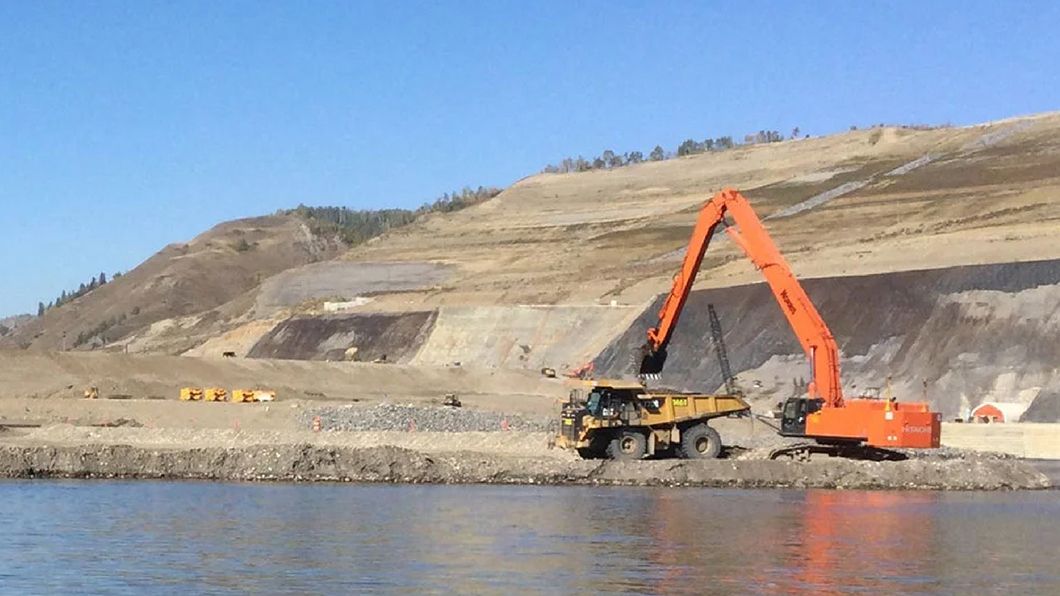
Constructing a dam and hydroelectric generating station using Trimble technology ensured that everyone stayed on top of what was happening when it was happening — avoiding confusion and errors.
Connecting workflows across the office and jobsite helped ensure that everyone was always aware of what was happening, when it was happening. Machines equipped with Trimble Earthworks gathered as-built data. Using Trimble WorksManager software, teams could log in to the machines at the end of the day from a mobile device or laptop and download the data. Then, using Trimble Business Center, compare progress to the project’s 3D model. After reviewing the data from the field, project management teams would isolate high spots and upload updated excavation designs, and foremen could see immediately what areas needed to be addressed.
This exchange of information provided a time-saving link between the day and night shifts. Foremen knew exactly what had previously been excavated, and rework was almost eliminated. Work progress was fluid; no one was confused about what to focus on next. And the project management team could easily keep up with the excavating crew’s process.
According to Survey General Foreman Rory Prendergast, operators quickly embraced this new digital workflow. “Their work progress is fluid, no starts and stops, or confusion about where to work; there’s no downtime.”
Making project management more efficient
Veit & Company, a civil construction firm based in Rogers, Minnesota, recognized the need for a standardized approach to office and field collaboration. “During peak construction times, we have many operators and machines on various projects in many states,” said Director of Construction Technologies Britton Lawson. “We need to be able to react quickly in response to issues that arise in this fast-paced environment.”
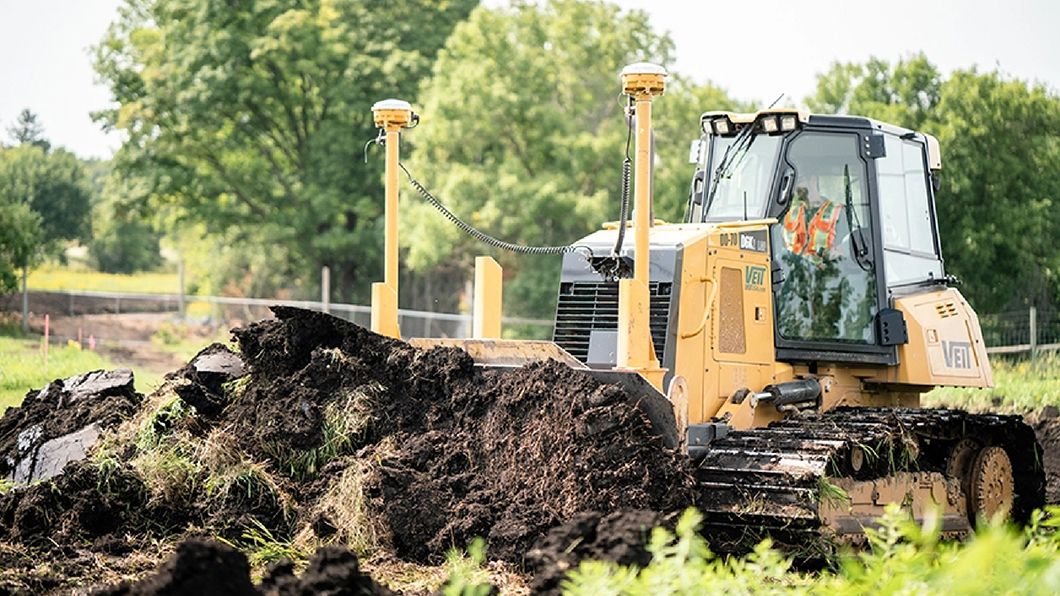
Digital designs are easily sharable with Trimble site management software, as designs are pushed out to machines — ensuring crews are always working from the latest plans.
Using Trimble site management software, the company shifted from paper drawings to digital ones, making them easily shareable across teams. Designs are then pushed out to the machines on the jobsite, ensuring that crews always have the most current information.
Before integrating site management software into our workflows, we struggled with “getting data into the field efficiently, and then with addendums and job changes, getting that data back. When a design changes, we push those changes through the cloud to machines and rovers. It’s become the expectation that when a machine pulls up on a lowboy, they can get a design fast. It’s opened up mapping data and as-builts to come back fast, so we can turn those things around.”
After adopting site management software nearly 10 years ago, VEIT has seen how operators are more empowered. With real-time data, operators can now work with the foreman to make informed cut/fill decisions. “Because the data about materials and designs are readily available on the job, our crews are coming up with ideas to improve common practices such as the digging of building or bridge footings to improve safety, accuracy or speed,” Lawson explained.
Site management software also increased visibility into submitted repair requests and enabled remote troubleshooting. Low-priority maintenance is now planned ahead of time. Field technicians tackle minor items alongside critical ones during calls, increasing productivity and preventing small issues from becoming large problems. Using the remote assistance capabilities enables personnel to help operators get up and running quickly on a new machine and diagnose and address machine-related issues without halting production.
Eliminating silos between the office and field has been integral to VEIT’s growth. “The faster we can provide data to our teams, the better off we’ll all be… the biggest value is when everything is connected, which has opened the door for opportunities that we never knew existed.”
Stay connected and in control of your projects
Connecting the office and field with site management software helps improve communication, empower better decisions and keep projects on track and on budget. The Trimble site management software portfolio enables you to select the solutions that match your workflows today and scale as your needs change. Learn more about confidently connecting your office and jobsites with the Trimble site management software portfolio.
Check out the blog, “What to consider before purchasing site management software,” to learn what questions to ask and how to choose the right technology partner.

