
In today's dynamic construction landscape, it takes more than a traditional approach to stay ahead. As projects become more complex and stakeholders demand greater efficiency, technological advancements have become indispensable to remain competitive and efficient. BIM or Building Information Modeling is reshaping the way we design, construct and manage buildings. In this article, we take a closer look at BIM and discover its nuances, benefits and practical implementation strategies.
What is BIM?
At its core, Building Information Modeling (BIM) represents a paradigm shift in the construction industry. BIM is a sophisticated process of creating and managing digital representations of physical and functional characteristics of places. In contrast to traditional 2D drawings, a BIM model includes 3D drawings enriched with intelligent data, providing an overall picture of a building throughout its life cycle.
Building Information Model
Central to BIM is the Building Information Model, a digital representation of the physical and functional characteristics of a construction project. This model contains a wealth of information ranging from architectural details to structural stability, HVAC systems, electrical layouts and much more. The "I" in BIM underscores the central role of information, which enables informed decision-making at every stage of the project life cycle.
Building Information Modeling: beyond 3D modeling
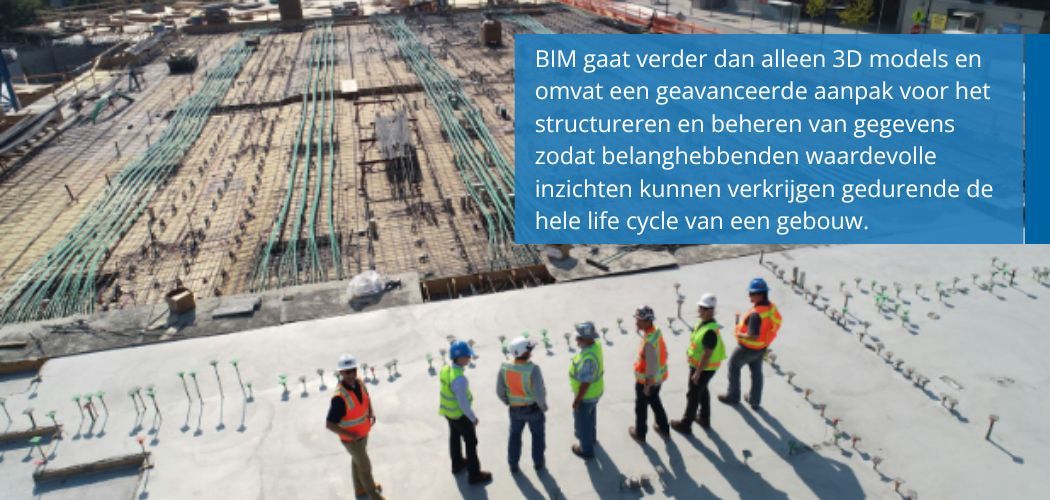
BIM goes beyond just 3D models to include an advanced approach to structuring and managing data so that stakeholders can gain valuable insights throughout a building's life cycle. From initial planning to lifecycle management (management of the facility), BIM streamlines processes and improves communication between project teams, leading to better-informed decisions and efficient workflows.So today we're not just talking about 3D BIM models, we're going much further. For example, there is 6D BIM, which includes sustainability and energy analysis, allowing evaluation of environmental performance. And even 7D BIM, which integrates facility management information.
Building Information Management
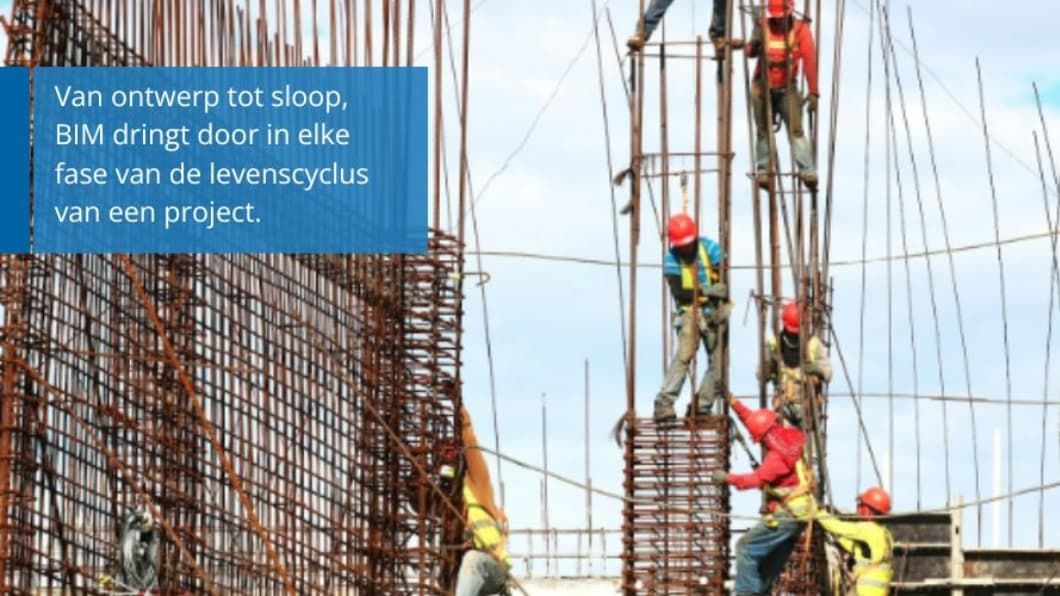
From design to demolition, BIM permeates every phase of a project's life cycle. Whether conceptualizing designs, procuring materials or managing facilities after construction, BIM provides invaluable insights for project management and streamlines workflows, optimizing resource allocation and minimizing risk.
BIM or CAD?
Although Computer-Aided Design (CAD) has long been the industry standard, BIM offers distinct advantages over traditional drawing methods by providing a comprehensive approach to building design and management. Unlike pure 3D CAD, which focuses primarily on geometry, BIM incorporates rich data attributes, allowing stakeholders to visualize and simulate building performance with unparalleled accuracy. These Open BIM models provide a comprehensive picture not only of a building's design and construction, but also of its operation.
Exploring the legal landscape
As BIM becomes more widely adopted, legal frameworks for its implementation become increasingly relevant. Contracts, intellectual property rights and liability considerations require a clear delineation of responsibilities and obligations between project stakeholders, underscoring the need for robust legal frameworks tailored to the specifics of BIM projects.By proactively addressing legal issues and appointing a BIM coordinator who can establish clear protocols, teams can minimize disputes and ensure compliance with legal requirements.
Who should use BIM?
BIM is intended for a wide range of stakeholders in the architecture and construction industry. From architects and engineers to facility managers and BIM coordinators, each role plays a crucial role in harnessing the full potential of BIM technology. By fostering collaboration and knowledge exchange, BIM transcends organizational boundaries and enables diverse teams to work synergistically together for project success.
Leverage the benefits of BIM
The benefits of BIM are numerous and far-reaching and include:
Project Insight: Visualization of designs and construction phases.
Collaboration: Seamless information exchange among stakeholders.
Document flow and security: Centralized data management ensures document integrity and accessibility.
Error mitigation: Early detection and mitigation of design defects.
Knowledge management: easy access to project data promotes informed decision-making.
Strategic advantage: BIM enables organizations to stay ahead in a competitive market landscape.
Getting started with BIM: Implementation strategies
BIM implementation requires careful planning and coordination among all project stakeholders. From defining project objectives to selecting the right software and training staff, a structured approach is essential for successful BIM implementation. By investing in training and embracing change management, organizations can position themselves for long-term success in the digital age.
Human aspects:
Careful planning and coordination among all project stakeholders.
Investment in staff training.
Embrace change management for acceptance of BIM within the organization.
Process-oriented approach:
Definition of project objectives.
Implementation of a structured approach.
Regular review and adjustment of processes.
Technology requirements:
Integration of BIM tools into existing systems.
Continuous monitoring of technological developments.
BIM software under the microscope: Stabicad
Among the numerous software solutions available, Stabicad stands out as a leading BIM software solution known for its intuitive interface and comprehensive feature set. From MEP (Mechanical, Electrical, and Plumbing) design and calculations to coordination and clash detection. With its intuitive interface, advanced features and seamless integration capabilities, Stabicad enables users to create detailed 3D models, streamline workflows and optimize project results. From initial design through construction documentation and facility management, Stabicad provides a comprehensive solution for BIM users.
Success in the Dynamic Construction Landscape
All in all, it can be concluded that Building Information Modeling (BIM) represents a shift in the construction industry and offers unprecedented opportunities for innovation, collaboration and efficiency. By embracing BIM and making the most of its capabilities, stakeholders can unlock new opportunities and achieve positive results throughout the building lifecycle. Whether you are an architect, engineer, contractor or facilities manager, embracing BIM is the key to success in today's dynamic construction landscape.

