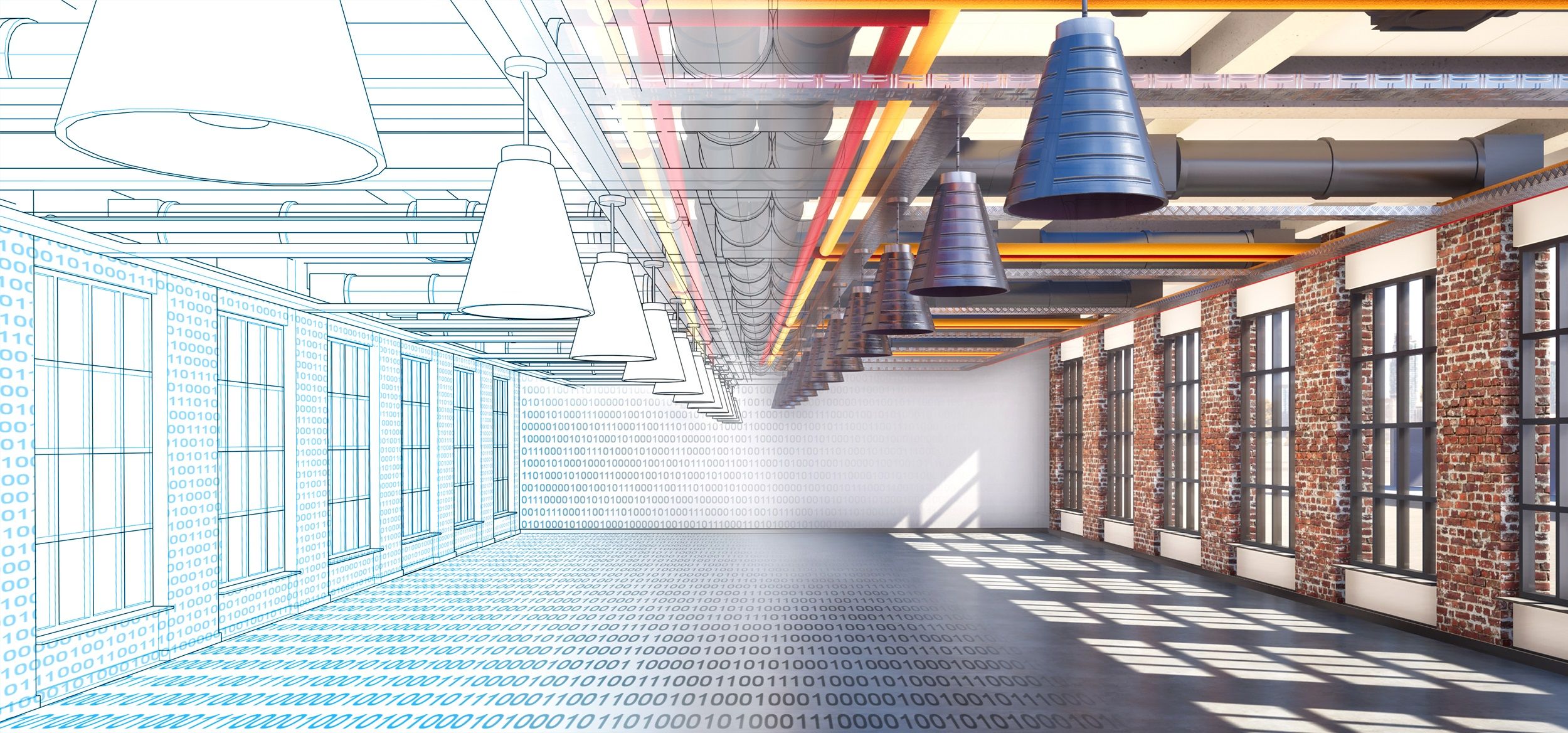
Digitization is a buzzword that we encounter in almost all professional and everyday areas. However, it is often an abstract term that has little to say about the actual effects and requirements. And some of these are fundamental: digitalization in the construction industry, for example, marks nothing less than a turning point in the way we build and design.
The use of modern technologies in the construction industry is not only revolutionizing workflows, but also fundamentally creating new concepts and processes for the construction of infrastructure, buildings and living spaces. This change, driven by innovations such as building information modeling (BIM) and artificial intelligence (AI), promises a more efficient, sustainable and future-oriented construction world.
Nevertheless, digitalization should not be an end in itself, but can only lead to success as a targeted, strategic decision. And it requires continuous adaptation to current trends. We provide an overview of the current state of development of digitalization in the construction industry and highlight future potential.
The most important facts in brief
Digitalization in the construction industry is faltering in some areas - in some cases due to the shortage of skilled workers.
Digital transformation is recognized as a fundamental necessity across the industry.
Tailor-made software solutions facilitate the realization and implementation of new trends and innovations.
What is the status of digitalization in the construction industry in Germany?
Digitization and Germany - both terms in one sentence reliably lead to heated discussions about missed opportunities, problems and stories about supposed backwardness in international comparison. However, the picture is much more nuanced, especially in the context of the construction industry.
The potential that lies in the use of digital solutions is undisputed throughout the industry. According to a PwC study, the majority of German construction companies are convinced of the benefits of digitalization in construction. This conviction is reflected in the figures: 97% of planners and project managers and 81% of construction companies recognize the immense potential of cloud technologies.
However, the actual skills in companies paint an ambivalent picture: Only around one in five companies currently consider themselves to be sufficiently capable of using digital tools efficiently. It is clear that the necessary expertise in key areas such as virtual reality, IoT solutions and BIM is lacking in some cases.
Hurdles during implementation
The importance of digitalization in the construction industry has therefore been recognized - it is rather the implementation that is lacking. The same study shows that little progress has been made in this area in particular.
Although just under 50% of respondents ascribe a high level of digitalization to their own company, this figure has not changed compared to the previous year for 2023. The main reasons for this lie in the areas of change management, processes and technology.
Change Management
there is often resistance to change. Employees may be unwilling to adopt new digital tools, which can result from a lack of training or fear of losing their jobs. A successful digitalization strategy must therefore include change management that involves, informs and trains employees for the change.
Prozesse
digitalization requires a redesign of work processes. Many construction companies work according to outdated patterns that do not fit well with innovative technologies. The integration of digital solutions therefore requires a revision and adaptation of existing workflows in order to increase efficiency and productivity.
Technology: When it comes to the technology used, companies face the challenge of choosing the right software and hardware and then implementing it. In addition, integration into existing systems requires careful planning and often considerable investment. These are factors that often represent an almost insurmountable hurdle, especially for smaller companies.

An increasing challenge: shortage of skilled workers
Digitalization in the construction industry often fails due to fairly analogue hurdles: the lack of human know-how. The shortage of skilled workers is proving to be one of the biggest obstacles to the successful implementation of digital solutions in the construction industry. Despite the opportunities for digitalization, many companies face the challenge of finding qualified specialists with the necessary expertise.
The discrepancy between these opportunities and the limited availability of skilled workers who can master these technologies presents the industry with an urgent task. Overcoming this requires not only a clear roadmap for implementation, but also the ability to attract and train talent to successfully shape the digital transformation.
What trends are recognizable?
The transformation of the construction industry requires the adoption of digital technologies to replace inefficient manual processes with digital tools. Planning, communication and document management are optimized through the collaboration of all stakeholders according to an Open BIM vision and the integration of BIM with project management software.
This digital transformation automates standard tasks, promotes strategic project work, reduces errors and enables real-time monitoring and adjustments for project control.
Building 4.0
The integration of modern technologies such as intelligent devices, robots and drones into everyday construction work is an essential part of the Building 4.0 concept. These technologies facilitate the networking and automation of construction processes.
Artificial intelligence and automation
Artificial intelligence is driving digitalization in the construction industry through fast data processing and the automation of complex processes. AI is being used in planning, project management and to ensure safety on construction sites.
Achieving even more: Where is there untapped potential?

Trends are important for predicting future developments. Even more important, however, is the future potential for efficient construction that digitalization can offer the construction industry.
Reducing construction costs through digitalization
By using innovative tools, personnel and material resources can be planned and deployed more efficiently. In addition, work processes are streamlined, which leads to shorter construction times. Another advantage is the avoidance of duplication of work and errors, which in turn reduces expensive construction defects.
Improved collaboration and information sharing
The use of 3D data modeling enables more precise and efficient collaboration on construction sites. Digital twins provide a comprehensive overview of the construction project. This leads to more efficient communication and coordination between all parties involved and reduces misunderstandings and resulting errors.
More sustainable construction
Sustainability is no longer a niche topic. According to the PwC study cited, 81% of all construction companies now consider the topic to be important. And the EU also has ambitious goals: A climate-neutral building stock is to be achieved by 2050.
Digitalization in the construction industry can provide crucial support here. For example, the analysis of BIM data and simulations based on it can significantly increase energy efficiency. The networking of all construction phases or lean construction optimizes subsequent building maintenance, reduces the fuel consumption of machines and enables more efficient recycling of building materials.
Digitalization in the construction industry requires the right strategy
Analog processes and workflows are often like the familiar combustion engine: powerful, but ultimately outdated and inefficient. In comparison, digitalization in construction works like an electric motor in road traffic: significantly more effective, more modern and cleaner - but only if the respective special features are taken into account, especially during the introduction. Because without a strategy, digitalization in the construction industry will not lead to the fast lane, but to a digital dead end.
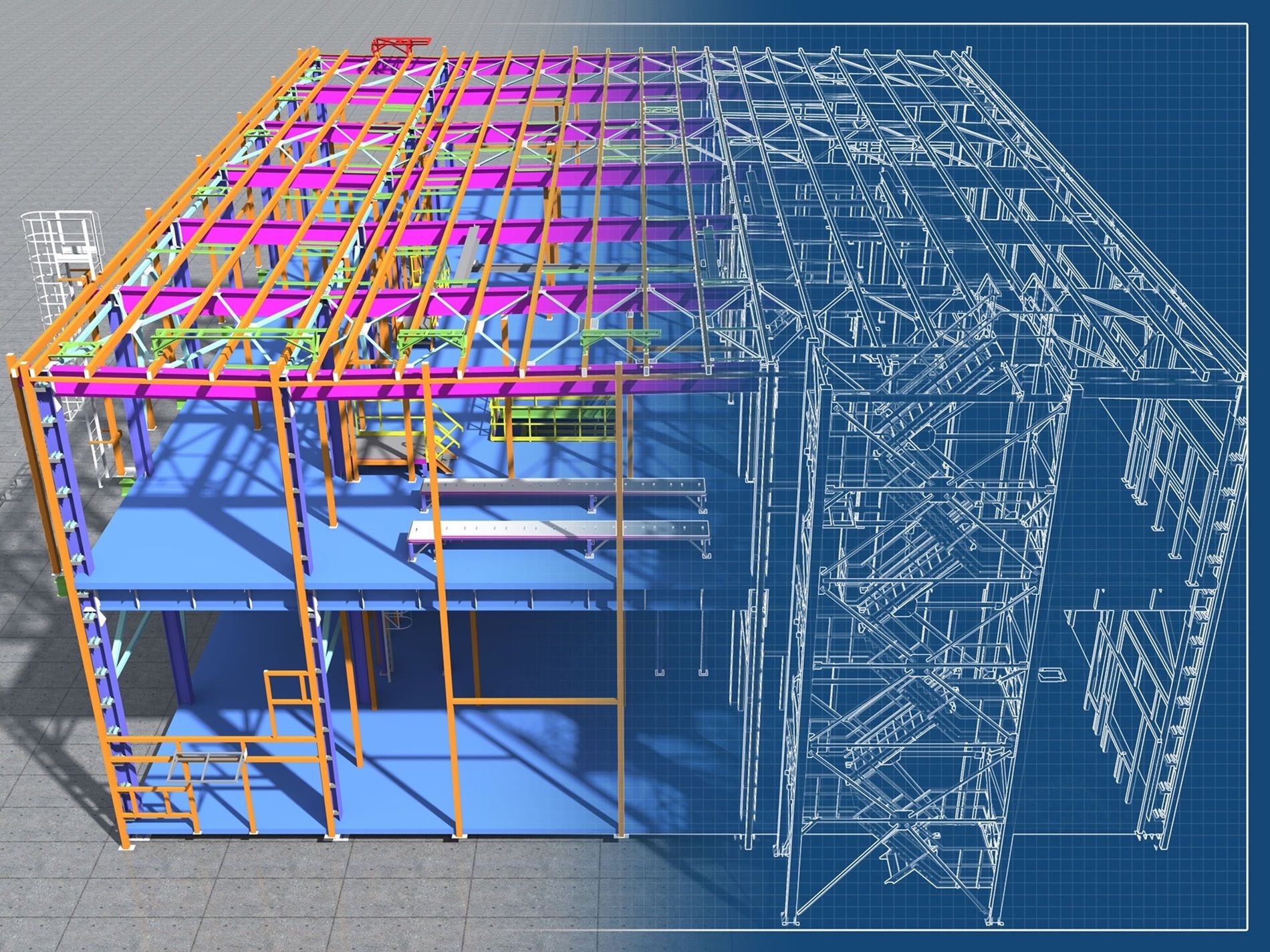
Appropriate software solutions such as Viewpoint For Projects and Viewpoint Field View are needed to transform processes and structures that have been practiced for decades. Together, the two tools help to leverage the previously untapped potential of digitalization in the construction industry:
Viewpoint For Projects
ISO 19650 conformity for international standards in information management
Optimization of construction processes through precise planning and analysis
Improving communication and coordination between project participants
Support for data-based decision-making
Access to construction documentation from anywhere - both online and offline
Viewpoint Field View
Efficient defect and task management in real time
Customizable forms for mobile devices
Digitization of information to increase efficiency
Real-time communication between office and construction site
Creation of configurable project models with detailed tracking options
Old technologies inevitably have an expiration date in the construction industry. This makes it all the more important to not only react to the increasing digitalization in the construction industry with the right tools, but to use them to take the lead in innovation.

