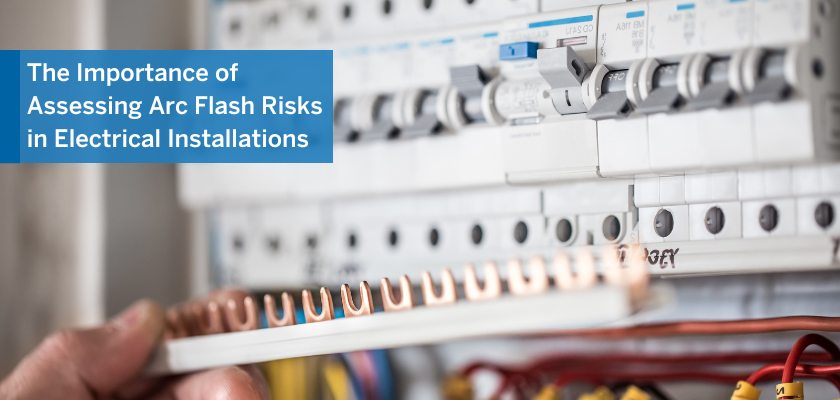
Every complex electrical installation is potentially at risk of suffering an arc flash due to the dangerous interplay of energy and power within its components. According to the HSE, about 60,000 cable strike electrical accidents happen annually in the United Kingdom. Many of these result in arc flashes and cause approximately 25 deaths yearly.
An arc flash explosion can generate an extreme heat of up to 19,427 °C. This heat is four times hotter than the sun's surface! It is dangerous to electrical engineers and potentially hazardous to other construction workers, passers-by, and the property.
This piece will elaborate on the causes and why you should implement arc flash prevention practices when working on electrical systems.
Jump to:
Steps Involved in Performing an Arc Flash Study
Personal Protective Equipment (PPE)
What are the Limitations of Arc Flash Analysis?
What can cause an arc flash?
Different scenarios can result in an arc. The most common ones include:
Equipment failure: Any damage to transformers, switches, or circuit breakers can cause an arc flash. It could also happen due to wear and tear, loose components, or failed insulation.
Accidental contact: When tools and equipment come in contact with live electrical parts can also trigger an arc flash. For instance, imagine if an engineer mistakenly drops a spanner, and it creates contact between two electrical live phase conductors that were left uninsulated. The resulting blast can destroy the entire facility and leave the engineer with life-threatening injuries.
Overheating and overloading: Overloading an electrical system with excessively high voltages, or exposing it to high temperatures for a long time, may degrade insulation, or damage electrical components, thus causing this kind of blast.
What is an arc flash study?
As an electrical engineer or electrical professional you always must conduct an arc flash study to assess the electrical system and evaluate the potential occurrence of a high-voltage burst accident. To perform this study, you have to critically evaluate the electrical system's components to ascertain the energy level that could be released if such a blast occurs.
As an electrical engineer or safety expert, you must perform a molecular-level examination of the electrical system's design, components, and operating conditions. If you do this correctly, you will get accurate calculations and analysis to find the best solution for the system.
Steps involved in performing an arc flash study
These are the steps to follow when conducting an arc flash study:
STEP 1: Request for the as-built documentation. You’ll need this to understand how they built the electrical systems' components, layout, and designs.
STEP 2: Field verification: After studying the documents in Step 1, you need to visit the facility for an on-site inspection and to take some relevant measurements. This will help solidify the already existing data.
STEP 3: Loading Information: Collate and load all the data you’ve gathered about the electrical load, power rating, connected equipment, and usage pattern.
STEP 4: Run a short circuit study: Do the necessary calculations to find the short circuit currents at different points of the system. Fault ratings are one of the input parameters for the calculation of your circuit study.
STEP 5: Selective coordination: Analyse the protective devices like circuit breakers.
STEP 6: Evaluation: Evaluate the potential hazards. The information generated will come in handy in determining the proper personal protective equipment (PPE)
STEP 7: System Evaluation: Evaluate the system to determine if any other area requires improvement.
Personal protective equipment (PPE)
You must always wear appropriate PPEs when working with high-voltage systems. The most essential safety gears (PPE 1) shave to include an arc-rated shirt, pants, or bodysuit and an arc-rated flash suit hood or face shield with wraparound guarding.
Arc flash labels
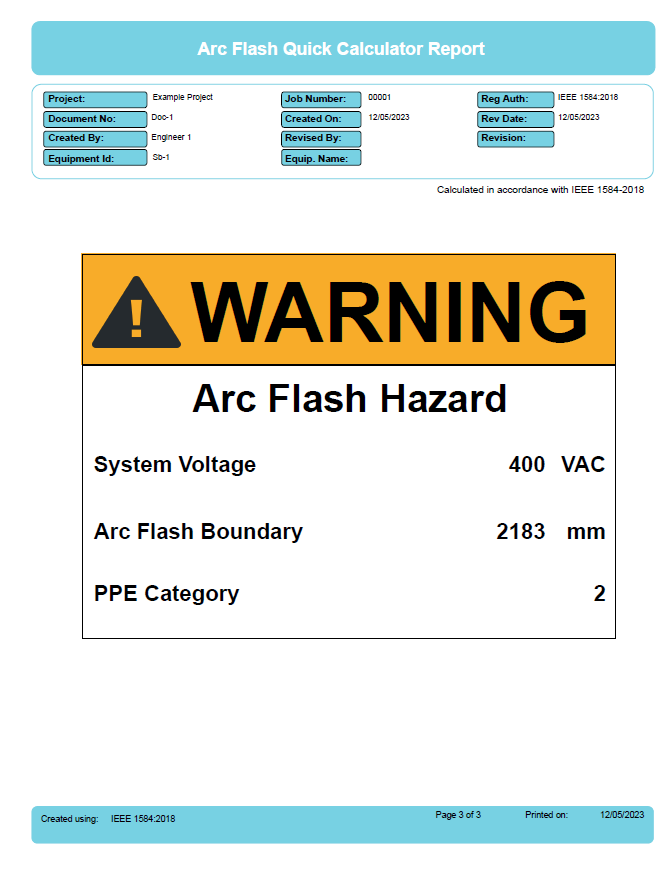
Apart from wearing PPE, you should also install caution labels around electrical systems. These labels should provide critical information about the hazardous nature of the areas around the electrical installations. They contain information like hazard details indicated in cal/cm² (calories per square centimeter), arc flash boundary, date of last analysis and study, required PPE, and voltage level.
What are the limitations of arc flash analysis?
It is true that performing an analysis helps in risk reduction and better handling of these hazards, but it has some limitations. Pitfalls like inaccurate data, dynamic system changes, incident variability, human errors, and the scope of the analysis could reduce the efficiency of your final solution.
This is why you should regularly review and update your analysis and electrical design tool, including software.
How Trimble helps
The best way to prevent arc flash and safeguard workers and properties from its danger is by using high-quality data-driven electrical designs produced using advanced electrical design software. Trimble Electrical Designer 2D is a comprehensive suite of products that provides electrical design engineers with an easy and comprehensive design solution for building electrical systems. Packed with a range of features including multi-regional calculations, protective device selector, manufacturer approved component data and arc flash calculations and reporting, Trimble Electrical Designer 2D will help you reduce the risk of design discrepancies and minimize safety risks.
In the same light, Arc Fault Detection Devices (AFDD) are designed to detect breakage, arcing in a damaged cable or an appliance. As an electrical engineer, you must have AFDDs handy as an essential part of your electrical design. Read our ebook to learn more about AFDD and how it affects you.
Contact the team now to know how you can use Trimble electrical design solutions to protect your electrical systems from preventable disasters.

