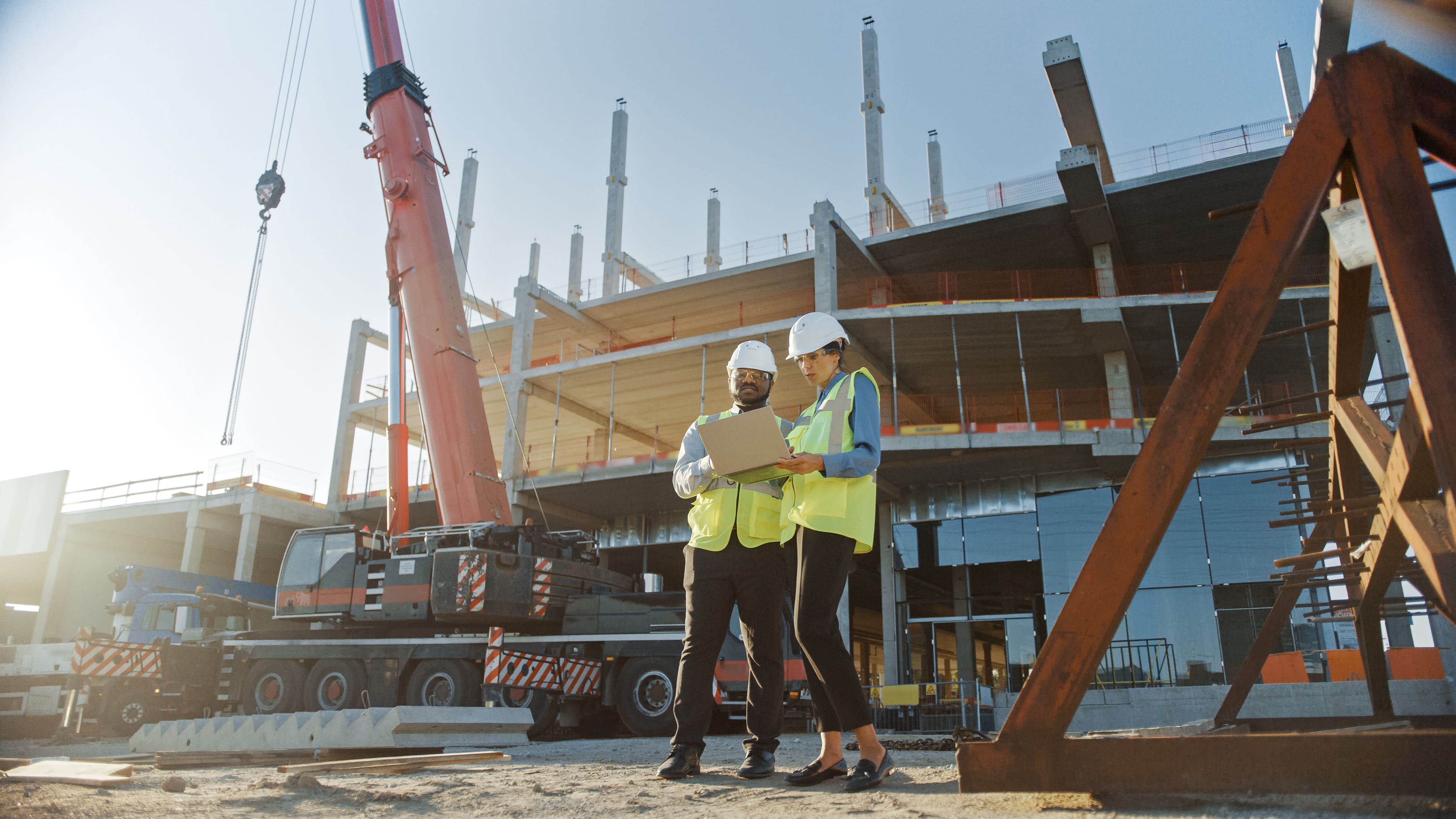
The use of digital tools on the worksite offers a number of advantages
In the construction industry, project management, team coordination and cost tracking require meticulous organization. However, despite the considerable advantages of digitalization, the rate of adoption of digital tools remains relatively low in France: almost a third of construction professionals still do not have access to the technologies they need to optimize the management of their daily tasks. This situation directly hampers company productivity and reduces competitiveness.
So why is adoption so slow, and what are the main barriers to digital transformation in the construction industry? In this article, we'll explore these barriers and propose solutions to overcome these challenges and successfully transform your business digitally.
What are the obstacles to the adoption of digital technologies in the construction industry?
Despite the many benefits offered by digital transformation, there are a number of obstacles holding back the adoption of digital technologies in the construction industry, particularly in France. So, what are these obstacles?
Resistance to change
Traditional methods are deeply rooted. The fear of having to relearn new skills and disrupt established processes is holding back the transition to modern tools.
Complexity of use
Ease of use is a key factor in the successful adoption of new technologies in the construction industry. Companies should opt for tools with intuitive interfaces that make navigation easier and reduce learning time.
Perceived costs and underestimated ROI
Although digitization is often perceived as costly to implement, the return on investment is often underestimated. Companies don't always realize the potential gains in terms of productivity and profitability.
Specific features of the French market
In France, only around 35% of companies have integrated these tools into their daily processes. The rest of the sector, especially SMEs, is still lagging behind in the adoption of appropriate digital solutions.
How can we overcome the obstacles to adopting digital tools in the construction industry?
To ensure the successful adoption of new technologies in the construction industry, it's necessary to overcome common obstacles by adopting a gradual, considered approach. Here are some key strategies:
1. Create a constant dialogue with teams in the field
Instead of simply involving users in the selection of tools, we need to create an ongoing exchange with them throughout implementation. This feedback process enables solutions to be adjusted according to the real needs of the teams, reinforcing their involvement and promoting smoother adoption.
2. Adapting training courses to real-life situations and team profiles
Training should not be seen as a one-off event, but as an ongoing, flexible and personalized process. Offer training modules tailored to the specific roles of each team and their preferred learning styles. Organizing feedback sessions also enables obstacles to be identified and remedied in real time.
Find out how to set up your training in five simple steps to ensure the adoption of new technologies.
3. Choose tools that are not only simple, but also scalable
Opting for easy-to-use solutions is important, but it's just as important to ensure that these tools can grow with your business. Evaluate the software's ability to adapt to future needs, particularly in terms of integration with other systems and scalability.
4. Working with expert, reliable partners
Choosing the right supplier is about more than just buying software - it's about building a lasting partnership. A good supplier must accompany you well beyond the implementation phase, with ongoing training, responsive technical support and regular updates to meet new market requirements.
By adopting these strategies and choosing the right tools, you can overcome the obstacles to digitalization and take full advantage of the benefits it offers. Professional guidance is often the key to ensuring a smooth and successful transition.
To find out how Trimble can support your digital transition with solutions specifically designed for the construction industry, contact us today. Find out how our software can transform your operations and maximize project performance.

