

Machine control is a construction technology that uses positioning systems, sensors, often digital design models, plus in-cab displays to help heavy equipment operators perform work more accurately and efficiently. Traditionally, operators relied on stakes and grade checks, filling in the gaps with their own judgment. Machine control instead gives operators real-time information about where the machine and its blade, bucket or other implement are positioned relative to the project design.
Machine control can be used with equipment including excavators, dozers, motor graders, wheel loaders, compact track loaders, scrapers and other machines. Depending on the system and application, it can provide guidance to the operator or automatically control certain machine functions.
How does machine control work?
Machine control connects the physical machine to digital information about what needs to be built.
A positioning technology such as GNSS determines the machine's location on the jobsite. Sensors can track the position, angle and movement of the blade, bucket or other implement. The machine control system then compares that information with the desired elevation, slope or 3D project design.
The operator sees this on an in-cab display, which provides real-time guidance for reaching the target cut and fill. More advanced systems can automatically control parts of the machine, such as adjusting a dozer blade to maintain the required grade, while the operator drives the machine.
This allows the operator to work directly from the design and continually understand the machine's position relative to the finished surface.
What is the difference between 2D and 3D machine control?
Machine control systems generally fall into two categories: 2D and 3D. A 2D system uses technologies such as lasers, sonic tracers, and sensors to provide elevation and slope information. Sensors can help an operator maintain a specified cross slope, for example, or keep a blade at the correct elevation. These systems can be effective for grading, leveling, excavation and other applications where the work can be defined using elevation and slope.
A 3D machine control system adds positioning technology such as GNSS and a digital 3D model of the project. The system knows where the machine is on the jobsite and can compare its position with the design in real time.
An operator can then see where material needs to be removed or added without relying as heavily on physical stakes or repeated manual grade checks.
What equipment can use machine control?
Machine control can support a wide range of construction equipment and applications.
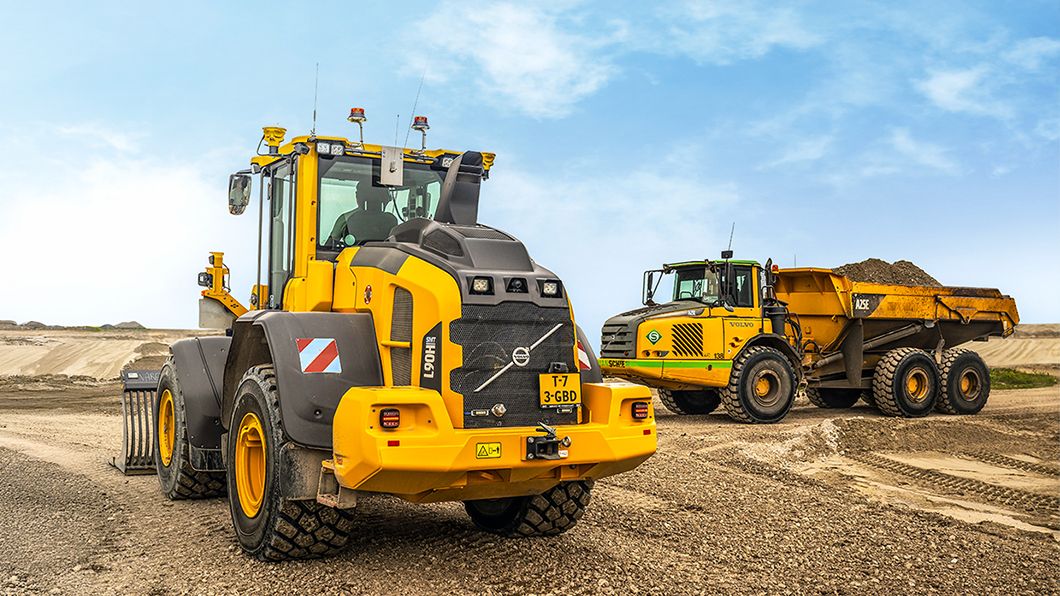
On an excavator, for example, the system can show the operator the bucket position relative to the design, helping crews dig to the correct depth and slope. On a dozer or motor grader, machine control can guide or automatically adjust the blade to create the specified surface. Wheel loaders can use 3D positioning to track bucket position for loading, material handling and light grading. Machine control can also support compaction, paving, drilling and piling.
What are the benefits of machine control?
One of the main goals of machine control is to help operators get closer to the design with fewer passes and fewer interruptions.
Traditional workflows may require operators to stop while someone checks grade or sets and resets stakes. Machine control puts more of that information directly in the cab, so operators can see cut-and-fill data and their progress toward finished grade as they work.
That can reduce rework and unnecessary machine movement, while cutting down on wasted material, and it helps contractors use equipment and labor more efficiently.
How does machine control connect the field and office?
Modern machine control also creates a digital connection between project design and the equipment doing the work.
Construction-ready models can be sent from the office to machines in the field so crews can work from current design information. Machine data can also provide information about completed work and jobsite progress.
That connection makes machine control part of a larger digital construction workflow. The design created in the office becomes actionable information for the operator. Information generated in the field, in turn, helps project teams understand what has actually been built.
Positioning and connectivity technology keeps advancing, and automation is playing a bigger role, but the basic idea hasn't changed. Machine control gives the machine and its operator precise information about where they are and what needs to be built, so they can measure the work in front of them against the design as it happens.


