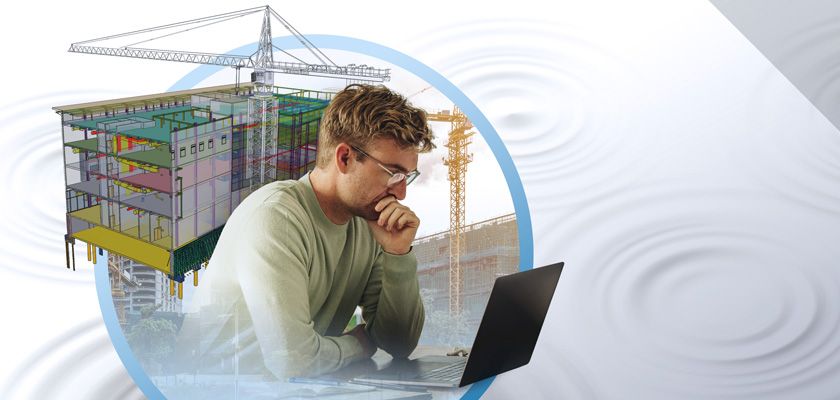
Every construction project owner wants to have control of their project, but risk is simply part of the business. This article examines how constructible data can help mitigate and eliminate this uncertainty.
Project owners work within tight timeframes and must manage multiple stakeholders in changing working conditions. The economic challenges push them to work with tighter profit margins, less cash flow, and less flexibility for error. Competition is stiffer, and the shortage of skilled labor is acute in many countries.
Working under so much pressure can affect the work environment. People can lose their work-life balance, and stress can increase human errors and accidents. These might affect project timelines, increase payment disputes, and have long-term effects on the business's bottom line.
Construction is an inherently risky business
Project owners face uncertainties already from an early stage of the construction project. They must submit bids based on unclear information, such as material and time estimates. They must make their best assumptions about possible circumstances and changes that might occur during the construction project.
The risk of making mistakes is high. These mistakes can cause changes to the project schedules and significant financial loss.
Some risks are hard to control, such as macroeconomic ones. For example, the rising energy price during the last couple of years has inflated both material costs and wages.
Then, there are other risks requiring more meticulous care. For example, onsite safety issues can cause personal injury, potentially leading to costly lawsuits or other claims. Or some disputes with the general contractor or other subcontractors that can cause cost overruns and legal battles.
Accurate data for better project understanding and construction management
As in many other industries, data provides insights and perspectives that would otherwise be lacking. To handle uncertainties, project owners are increasingly using constructible data to make informed decisions and reduce risk.
Constructible data from a 3D model gives project owners a deeper understanding of their projects. It improves visibility, provides detailed information, helps to detect clashes, and ensures accurate design and construction with fewer mistakes.
A constructible model works as a digital twin of the construction project. It provides rich and accessible data to help ensure site safety.
Project owners can use constructible data from the beginning of a project. This helps them understand the whole project better at the design and bid stage. It also allows them to make smarter decisions and reduce risks and costs.

Constructability enables better project understanding, reduces financial risk, and improves safety
The first area where constructability brings improvements is fundamental to success in any industry: communication.
Construction projects of any size are naturally prone to the risk of poor communication between participants. In most cases, it is not about a lack of communication skills. It is mainly about the lack of reliable data. When data is accessible, it is easier to evaluate the pros and cons of each decision.
Project owners and investors need reliable data, project visibility, and an easy way to share their opinions and input. It does not matter if people are at the office, in the factory, or doing on-site work. Mistakes occur when people are not on the same page.
Communication issues between these different stakeholder groups happen easily. Lack of communication causes mistakes. It can also cause rework, lead to wasted materials, and cause work to fall behind schedule.
The documents may lack relevant information, be poorly produced, or be misread. As a result, the team may not implement change requests, or deliveries may not arrive when they should. Poor communication can result in not identifying potential issues on time and not implementing safety procedures.
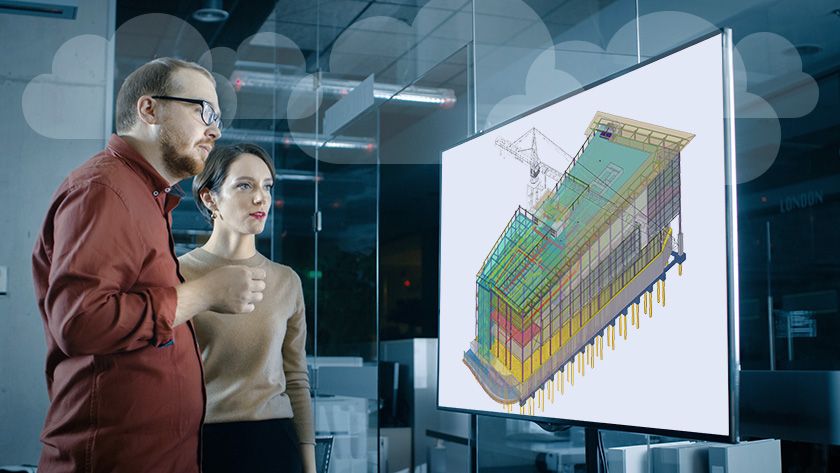
Constructible data reduces communication issues by using a detailed 3D model for decision-making.
Creating a constructible model right at the start of the project set a healthy tone for the construction project. Sharing and improving the model and collaborating with stakeholders enables all team members to understand the project better.
A constructible model breaks any communication barrier. Everyone can see the whole project's "picture" while having specific details required to execute each job. It serves as a tool for effectively communicating the project development.
Constructability in the model helps reduce risks by having visibility into project details. The details can be as specific as anchor bolt placement and a specific rebar length or show a helicopter view of the site for logistic preparation. But what matters the most are the insights from the constructible model. The insights are critical to more educated decision-making and action-taking.
A constructible model also enables you to experiment with different scenarios. You can choose materials to save money, be more sustainable, or use space better. The 3D model helps with planning and scheduling onsite work. It reduces delays caused by mistakes in documentation and fabrication errors by improving alignment between stakeholders.
There’s also a strong safety aspect to constructability. Accidents happen on-site when workers fix design problems and clashes from the pre-fabrication workshop. You can do this on-site correction work without the right tools, or in an environment too unsafe for the task. Using precise data early on minimizes the need for risky adjustments on-site, guaranteeing planned component delivery.

Using constructible data reduces the risk of disputes and legal action
The risk of disputes is extremely high in the construction business, taking place at a far higher rate than in other industries.
According to the Arcadis 2022 Global Construction Disputes Report, the average value of global construction disputes in 2021 was $52.6 million. These disputes lasted for an average of 15.4 months. These figures are even higher in Continental Europe and the Middle East.
The primary causes of disputes include faulty administration of contracts, late payments, design errors, and poor-quality work. Whatever the reason, disputes can wreak havoc on construction companies – causing huge unforeseen costs and long project delays.
Following a truly constructible process helps to reduce the risk of disputes. 3D models help reduce mistakes and prove that a project is done correctly, following agreed or legal standards. Constructible models assist in identifying design and engineering issues at an early stage. This helps to save time and money by addressing these issues before fabrication or construction commences.
When disputes do occur, having the documentation to back up your position is key. Constructability's strength lies in its 3D models, which keep track of all decision points and data changes made throughout the project. These processes can help resolve disputes before going to court or support a case if litigation happens.
Fortunately, constructible models can reduce the risk of litigation.
Models are shared with all project stakeholders, including fabricators and subcontractors. So different stakeholders can see, align, and solve possible issues. Such transparency strengthens the relationship with different construction partners – making your company a favorite candidate for possible future jobs.

