

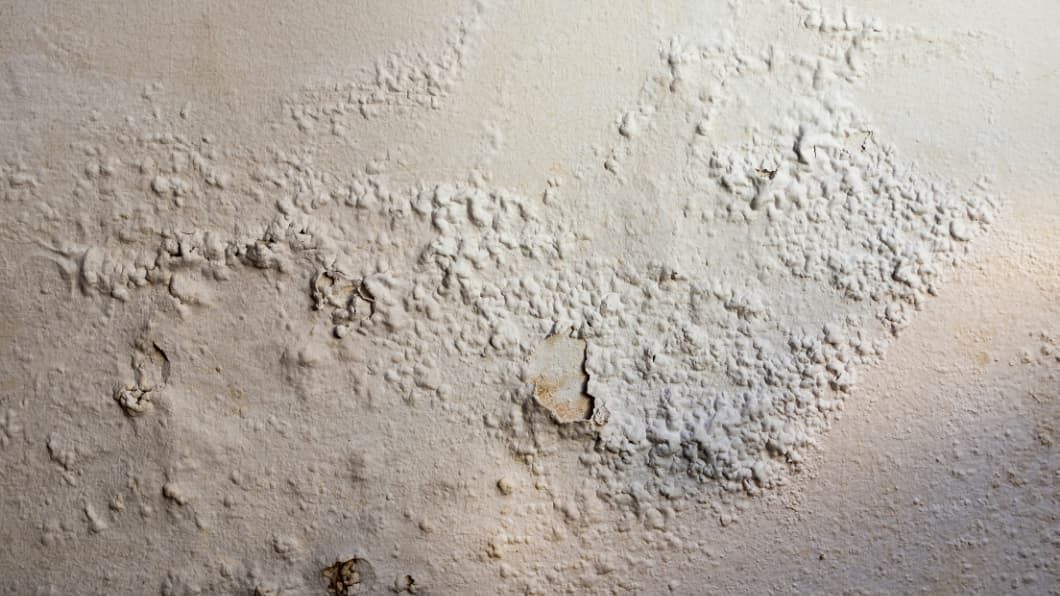
New statutory time limits will govern how quickly social housing landlords investigate and repair damp and mould—a major shift under the recently introduced Awaab’s Law. In our recent webinar with Building Magazine, we explored how the compliance challenge is as much about data and evidence as it is about maintenance delivery. Missed the webinar? Read on for an overview.
Awaab’s Law officially came into force at the end of October 2025, born out of the tragic death of two-year-old Awaab Ishak in 2020 due to respiratory issues caused by prolonged exposure to mould in his home. It is embedded in Clause 42 of the Social Housing (Regulation) Act 2023 and the Hazards in Social Housing (Prescribed Requirements) Act 2025 and represents a step change in how landlords evidence responsiveness, safety and care.
A new level of accountability
Under Phase 1, which focuses on damp and mould, landlords must investigate complaints within 10 working days and, for serious cases, begin remedial works or take temporary measures to make the home safe within five working days. Category 1 emergencies demand even faster action, whereby the investigation and work must both take place within 24 hours, or tenants need to be rehoused if the hazard cannot be controlled.
Beyond speed, landlords must be able to prove compliance, not just that the work was done but that it was done correctly, on time and that every step was documented, dated and verified.
The reality of maintenance management
For local authority housing teams already managing ageing stock, limited budgets and multiple regulations, Awaab’s Law adds further responsibility but also an opportunity to modernise. Some still rely on paper-based inspections, spreadsheets and fragmented contractor systems, making it difficult to build a single view of compliance.
The new framework calls for a shift from reactive to evidence-led maintenance, requiring data consistency and connected systems to create a clear audit trail across everyone involved in managing and maintaining homes. In many ways, Awaab’s Law extends the ‘golden thread’ of data principle already championed in construction under the Building Safety Act, ensuring that every inspection, decision and action is traceable.
Turning information into assurance
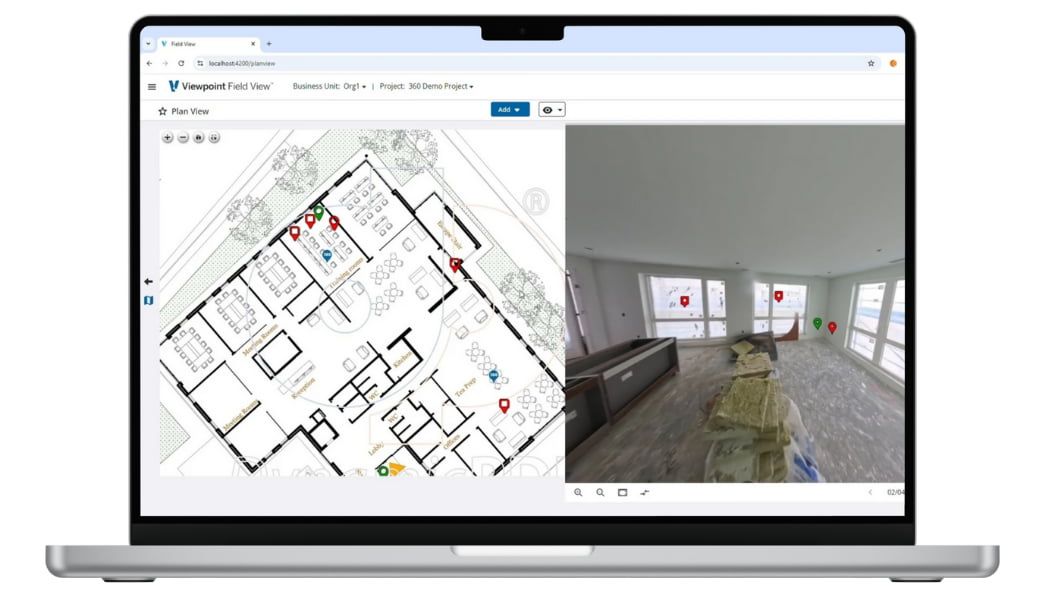
Many contractors across the UK already use cloud-based field tools, like Viewpoint Field View, which allows teams to capture photographs, notes and timestamps directly on-site, even offline, syncing automatically once connected. This creates a transparent, time-stamped audit trail that can be reviewed and shared instantly.
In practice, when a tenant reports damp or mould, every stage—from first inspection through to sign-off—can be tracked in one place, complete with images and updates. This approach also supports better communication between tenants and landlords, allowing faster updates and helping to rebuild trust through visible accountability.
Importantly, the same platform can standardise how multiple contractors capture and report data, giving landlords consistent, usable information across all projects.
Asking the right questions of technology providers
When reviewing digital systems, landlords should look beyond basic functionality and ask how effectively each solution supports compliance.
Start with data security - does the provider hold recognised certifications and follow robust data protection protocols? Then consider workflow management - can it mirror the Awaab’s Law process flow diagram? For example, can it notify the right people when a serious hazard is raised, trigger relocation protocols where necessary and flag approaching or missed deadlines?
On-site usability is equally important. A good system should allow field teams to log details directly into digital forms, capturing and tagging issue types, such as visible mould growth, its location and severity using a RAG status (Red-Amber-Green), the responsible contractor or work package and photographic and GPS evidence.
The most effective tools also enable issues to be linked to 2D plans, 3D models or 360° images, providing clear visual context. This protects both landlord and tenant by establishing what was observed and when. If a complaint later escalates, those time-stamped images form defensible evidence that the problem was properly addressed.
Finally, consider data longevity. Compliance isn’t just about capturing today’s repair; it’s about being able to access and interpret that data years later. With future phases of Awaab’s Law set to cover structural and fire safety hazards, housing providers will need systems that not only store files but also the associated decision-making history - who made what call, when and on what evidence.
From compliance to confidence
Awaab’s Law may have been driven by tragedy, but its intent is to build a safer, more transparent housing system. For social landlords, that means moving beyond reactive repair towards measurable accountability, where every inspection, decision and repair is captured, evidenced and auditable.
Digital tools make that possible, transforming compliance from a paper or disconnected system into a process of continuous assurance. Ultimately, this isn’t just about meeting statutory deadlines, it’s about creating homes that are safe, healthy and demonstrably well managed.
Find out more about Trimble Field View and how it can support Awaab’s Law compliance.


