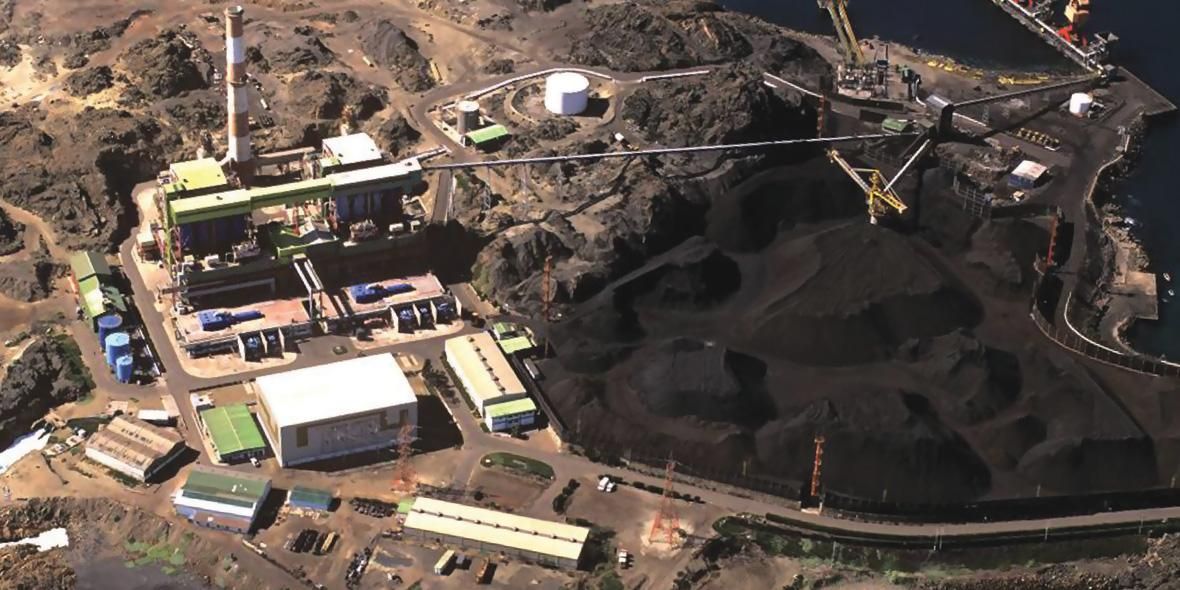
Mitsubishi Heavy Industries, Ltd., which boasts a great deal of experience and achievements in plant construction, both in Japan and overseas, has been using Tekla Structures since 2002 to improve the efficiency of its operations from design to fabrication. The company has continued its efforts to improve process efficiency in design and fabrication operations, mainly in plant construction projects in Japan, in cooperation with steel fabricators.
In 2006, Tekla Structures was awarded a contract to build a coal-fired thermal power plant in the Republic of Chile in South America. EDYCE, one of the largest steel fabricators in the region, was in charge of fabricating the plant, and both companies have used Tekla Structures to achieve successful results in cross-border plant construction projects.
Overcome communication barriers such as time difference, distance, different languages, etc.
Mitsubishi Heavy Industries, Ltd., Power Systems Division designs, manufactures, constructs and installs prime mover products in a wide range of fields, including diesel engines, from power generation to industrial, marine and consumer applications. In recent years, the division has strengthened its efforts to address new themes such as energy conservation, oil alternatives and new energy sources, and environmental protection, and has achieved success in these areas. The coal-fired thermal power plant, to be built by Empresa Electrica Guacolda S.A., a Chilean power generation and transmission company, is under construction in the Uasco area, 700 km north of the capital Santiago. The project started in February 2007, and in June of the same year, the naming rules for the drawings and part numbers were agreed upon with Edice, Inc. The construction schedule for the project is as follows: in June 2007, the project drawings will be completed in July 2007, and the construction will start in January 2008. Construction is scheduled to be completed and operation to start in September 2009.
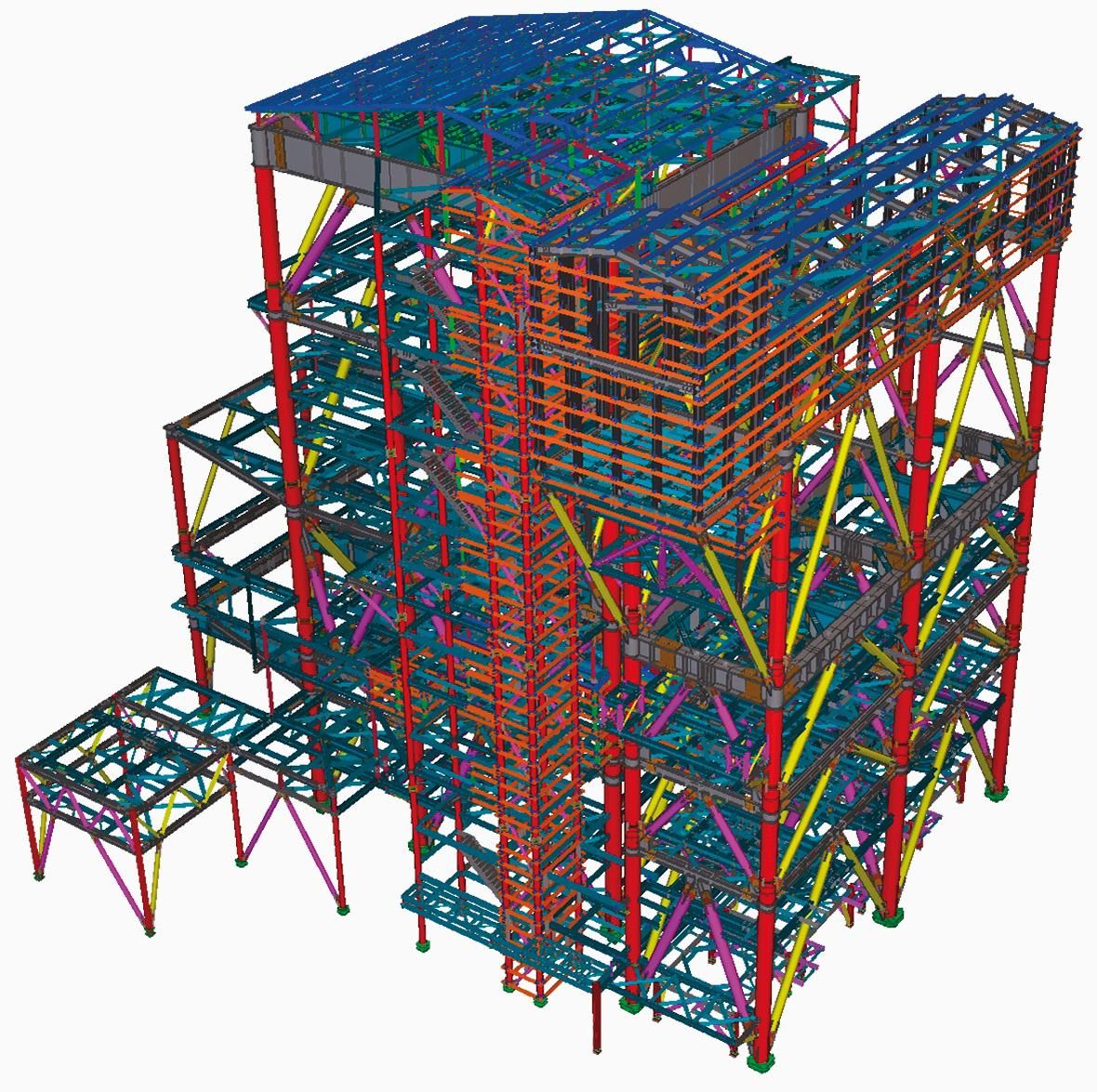
Chile, the production site, is located just on the other side of the world from Japan. The time difference, geographical distance, and different languages are major obstacles to information transfer in design and manufacturing operations and their process management. Mitsubishi Heavy Industries, Ltd. used Tekla Structures to store and manage all information from design to fabrication in a single 3D model. By doing so, the company was able to maintain consistency of information between the design site in Japan and the fabrication site in Chile, and reduce rework and inconsistencies in design and fabrication operations.
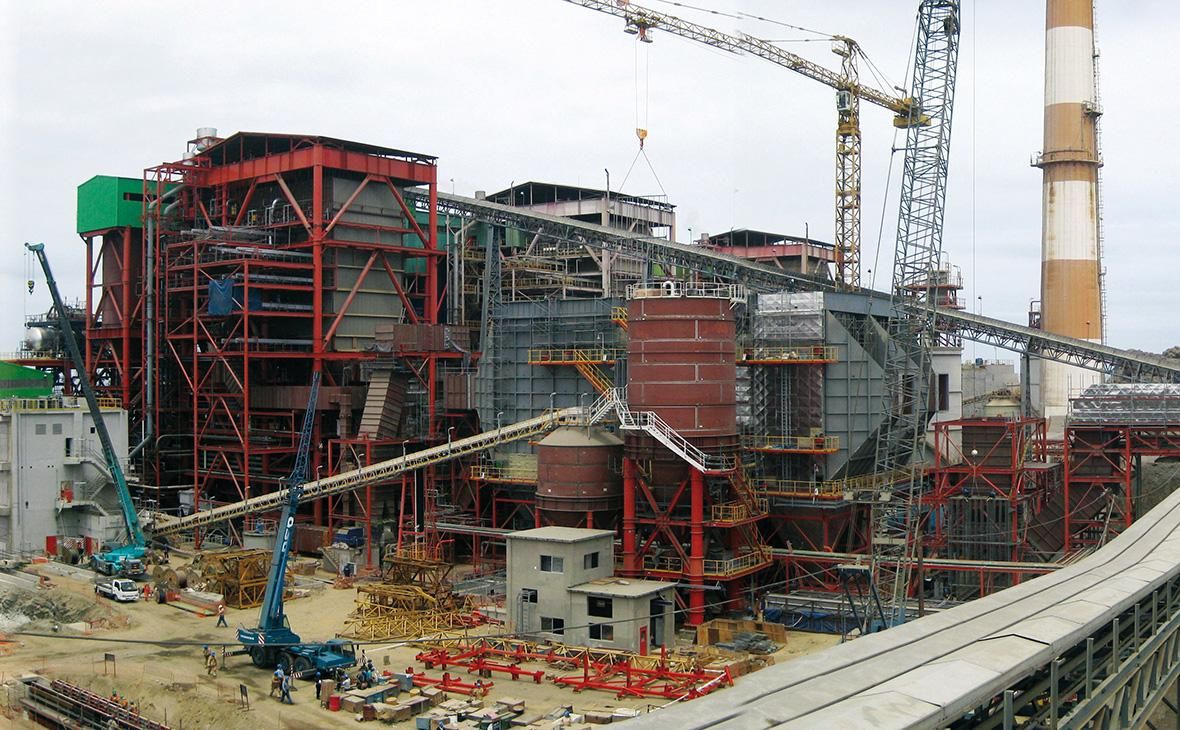
Improved communication in design and production operations
The construction of this coal-fired thermal power generation facility (152,000 kW output) was designed in Japan and fabricated in Chile. The time difference between Japan and Chile, different languages, and different fabrication methods significantly affected the efficiency and quality of work throughout the project. The repetitive exchange of information and negotiations between the designers, drawers, and steel fabricators during the construction period became more complicated, resulting in a variety of inconsistencies during the fabrication phase. Tekla Structures, which is based on a 3D model, solves this problem.
By using Tekla Structures as a common platform on which all design-related information is stored, and by utilizing 3D models as if they were a "common language with advanced functions," MHI and EDYCE have been able to significantly improve communication between design, fabrication, and process management operations. By using the 3D model as if it were a "common language with advanced functions," MHI and EDYCE have greatly improved communication between design, fabrication, and process management operations, enabling centralized management of all construction-related information and process control throughout the project. Tekla Structures creates a 3D model by selecting materials, dimensions, and placement locations, and stores all design information on the 3D model. Furthermore, the 3D model automatically generates drawings, part lists, and other data, which avoids various inconsistencies that can occur due to differences in interpretation of drawings and blueprints among designers, planners, steel fabricators, and other parties. Furthermore, the three-dimensional model not only allows the designer to visualize the entire construction, but also to proceed to the next stage of work with information on the piping and members attached to the model.
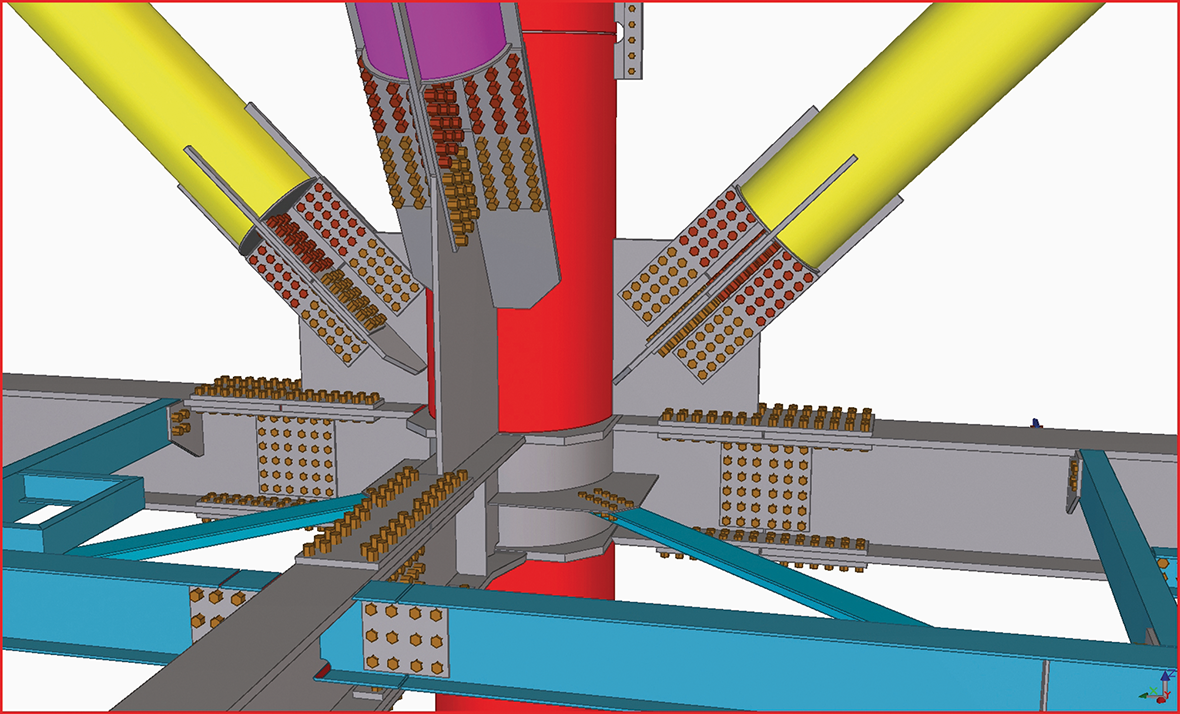
Linkage with structural analysis software and material requirements planning (MRP) software
Mitsubishi Heavy Industries, Ltd., which is responsible for the design and drawing creation for the construction of this coal-fired thermal power generation facility, used a combination of Tekla Structures and STAAD Pro. to significantly improve design efficiency. By using the link function between Tekla Structures and STAAD Pro. in the early design phase, data including loads and boundary conditions were exchanged, and design efficiency was improved through an integrated design approach from structural analysis to the creation of machine drawings. This enabled maximum incorporation of changes at the planning stage, thereby shortening the work time from planning to structural analysis. In addition, the highly accurate data compatibility with PDS has also enabled the company to achieve effective centralized management of data for the entire plant, including piping. Meanwhile, EDYCE, the steel fabricator in charge of fabrication, has combined Tekla Structures and Fab Trol for advanced mechanization. The numerical data for each part is replaced by data in DSTV format and input into the machine tool. This requires highly accurate part detailing, but by outputting the numerical data of each part as an NC file, the efficiency of the fabrication operation is greatly improved.

