The past few years have been particularly challenging for the construction industry: the energy crisis, the coronavirus pandemic, the war in Ukraine, inflation - many a well-founded forecast on the development of the construction industry had to be put back in the digital filing cabinet.
Given the complexity and dynamics of the aforementioned challenges, it is naturally difficult to make reliable forecasts on the further development of the construction industry up to 2025 - the conceivable changes in the economic environment are too numerous. Nevertheless, it is already possible to identify trends which, according to forecasts, are likely to shape events in the construction industry in 2025. We take a brief look into the future.
The most important facts in brief
The construction industry up to 2025 will be strongly characterized by sustainability efforts and the integration of advanced technologies such as BIM and artificial intelligence.
Experts are forecasting a recovery in residential construction from 2025, despite ongoing global challenges and uncertainties in the construction industry.
The industry must adapt strategically in order to cope better with these external influences.
What can we expect by 2025?
The forecasts of experts such as Volkmar Schott and Dr. Björn Reineke from EY-Parthenon provide a revealing insight into the future of the German construction industry up to 2025. According to a study in which Volkmar Schott was involved, residential construction is expected to recover from 2025 onwards.
This follows a decline in 2023 due to increased credit and material costs as well as macroeconomic challenges. However, there is hope that the market will stabilize as inflation falls and that policymakers could intervene to support the sector if necessary.
Decline in building construction
Nevertheless, forecasts for 2025 predict growth of 1.9 percent.
Furthermore, EY-Parthenon's analyses show that the construction volume in building construction in Germany is expected to shrink by 2.6 percent in 2023, partly due to the effects of the coronavirus pandemic.
Nevertheless, forecasts predict growth of 1.9% for 2025. This recovery will be supported by the need for energy-efficient renovations, such as replacing heating systems or installing photovoltaic systems.
The study also emphasizes the importance of modern methods for reducing costs and increasing efficiency on construction sites, such as digitally optimized processes or industrially prefabricated components. Digital planning tools such as Trimble Nova are therefore likely to become increasingly important.
Trends in the construction industry until 2025
The forecast for the construction industry up to 2025 paints a picture of change and innovation. In this dynamic environment, several key trends can be observed that will both shape and drive the industry forward.
Sustainability and green building

A key aspect of the forecast for the construction industry in 2025 is the increasing importance of sustainability. Climate change and environmental concerns are driving demand for environmentally friendly building practices and materials. This trend is reflected in stricter environmental regulations and a growing preference for green certifications. The industry is responding with innovative solutions for energy-efficient and sustainable construction.
Digitalization and use of technology
Digitalization is another important trend in the forecast for the construction industry until 2025. Technologies such as Building Information Modeling (BIM), artificial intelligence, drones and 3D printing are revolutionizing the planning, execution and management of construction projects. These developments are leading to more efficient processes, more accurate cost estimates and improved collaboration.
The importance of digital tools such as Viewpoint for Projects is also likely to increase in actual construction site practice.
Modular and serial construction
According to forecasts, modular construction, in which building parts or entire buildings are prefabricated in factories, will become increasingly important in the construction industry by 2025. This construction method enables faster, more cost-effective and higher-quality constructions. Serial construction, with standardized elements, also promotes efficiency and could make a significant contribution to reducing costs.
Focus on renovations and energy-efficient refurbishments
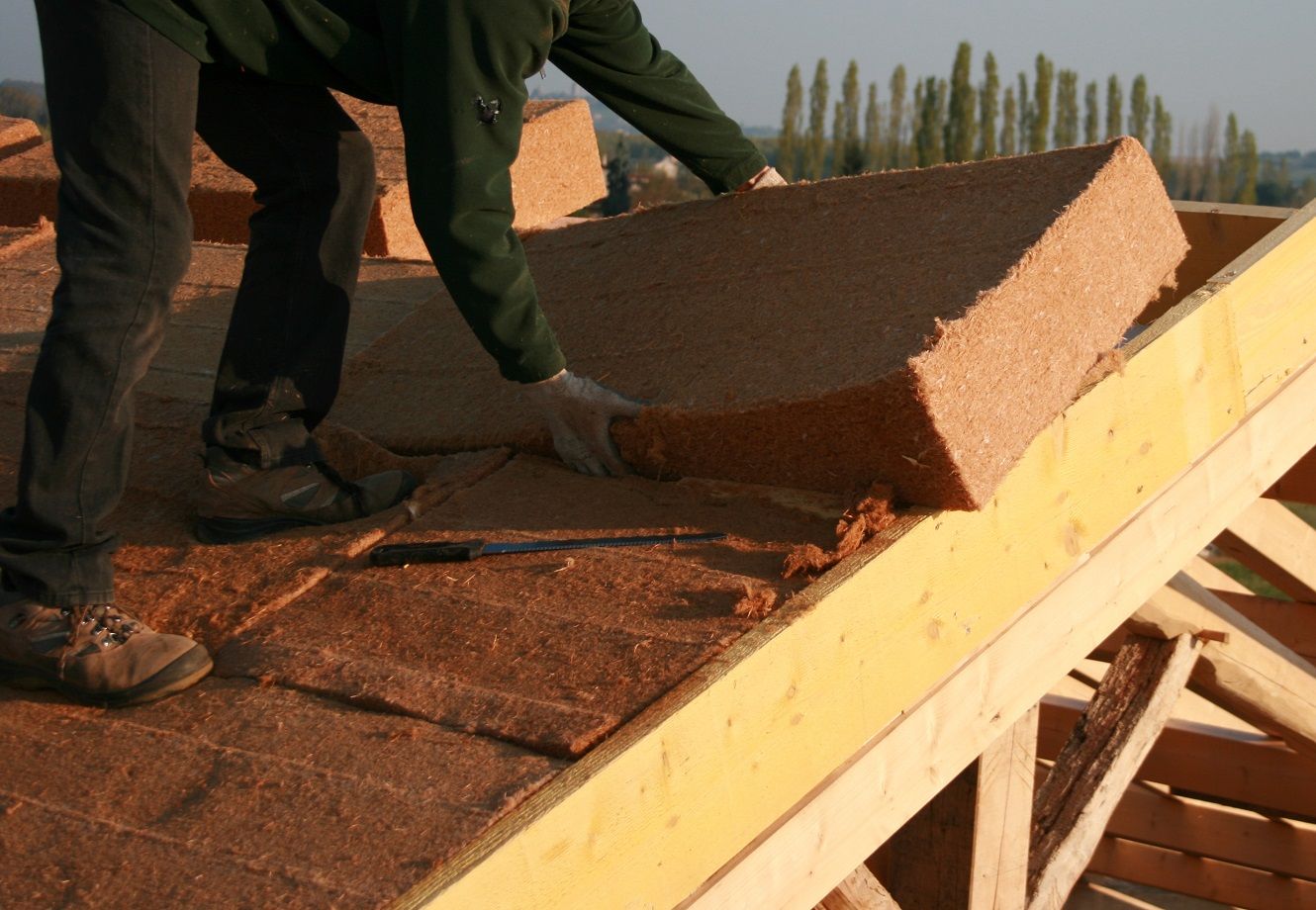
An important part of the forecast for 2025 is the increased focus on renovating existing buildings. Energy-efficient renovations that reduce energy consumption will become increasingly important. Government subsidy programs and regulations are also supporting this trend.
Challenges posed by raw material shortages and price increases
The industry continues to face challenges such as shortages of raw materials and rising prices for construction materials. These factors could affect the cost and feasibility of construction projects and require innovative solutions - for example through the efficient use of digital tools such as Viewpoint Field View.
Conclusion - An industry in transition
According to the Greek thinker Pericles, the important thing is not to predict the future, but to be prepared for it. Accordingly, a forecast for the construction industry in 2025 is not an immutable law of nature, but rather an indication of trends and recommendations for action.
A comprehensive look at the forecast for the construction industry up to 2025 reveals an industry in transition, characterized by both challenging and promising developments. The topics discussed shed light on the various facets of this transformation, from economic and geopolitical uncertainties to ground-breaking trends and innovation potential.
The core topics here are sustainability, digitalization and the introduction of new technologies. The industry is characterized by the trend towards modular and serial construction as well as the increasing importance of renovations and energy-efficient refurbishments. At the same time, raw material shortages and price increases continue to challenge the industry.

The forecast for the construction industry in 2025 is therefore characterized by enormous dynamism - for which the best possible preparations must be made.

