Lines are often blurred when it comes to completing a construction contract. It’s the stage where even the slickest of projects can be reduced to a slow, sticky plod. This is due to a number of factors, with the main being poor defect management and quality.
In recent years, stories of unfit structures have thankfully brought about more due diligence throughout the construction supply chain. By adopting technology to create a digital audit trail, clients can start to trust that the information they’ve been provided by the teams involved in the build is accurate. How does that relate to defects and project completion? Projects are quicker, with fewer delays, and of a high quality.
We’ll chat you through some of the key terms around defect management, completion, and practical advice for making sure your projects don’t get hit by delays at the final hurdle.
What are patent defects in construction?
Patent defects are those that become apparent during the construction process and before Practical Completion (PC). These must be put right before the PC certificate is issued. It’s normal for defects to crop up during construction, although delivering a defect-free project is always the gold standard.
A snagging inspection will be carried out to put together the list of defects. The responsibility for determining a patent defect often falls onto the contract administrator, who can determine whether it’s the contractor’s responsibility to fix it or whether this will sit with the maintenance team. A snagging list will then be issued to the appropriate teams to fix. If it is decided it's the contractor’s responsibility, the costs for repair will be deducted from their final payment.
What is Practical Completion (PC)?
As the name suggests, a certificate of Practical Completion is when the contract administrator certifies that all work laid out in the building contract has been completed. To get to this stage, there must be confidence that all identified defects have been resolved. Then begins the rectification period, which is where a set period of time is outlined for latent defects –should they appear– to be made good before completion.
What are latent defects in construction?
Unlike patent defects, latent defects are those that are not immediately visible when carrying out initial checks on a build. Some common examples include cracked walls, mold growth, or faulty wiring.
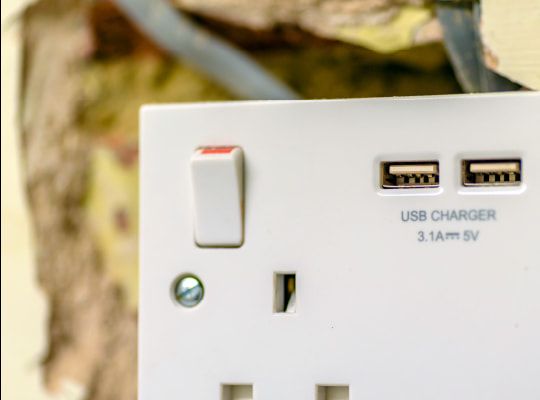
The previous issue with latent defects is they could sit unnoticed and unchallenged for a long time until something tragic like Grenfell happened. To tackle this, the Building Safety Act update has extended the liability claims period under the Defective Premises Act from six years to fifteen years for any works completed after June 28th 2022. For those completed before this date, there is a 30-year liability period for remedial works.
What is the certificate of making good (CMG)?
Previously, this was called the ‘certificate of making good defects’ (CMGD). However, now under the JCT ‘16 suite of contracts, this has changed to simply ‘certificate of making good’. In essence, it is the confirmation by the contract administrator that there are no defects on a construction project.
Ideally, the patent defects should have been rectified before Practical Completion and any latent defects that cropped up afterwards should be sorted under the rectification period. It’s important to note that the extended Defective Premises Act is to claim for inadequate building works, not for general wear and tear. Put simply, it’s to discourage cutting corners and shouldn’t affect those contractors and subcontractors that continuously deliver quality projects using quality materials.
Usually, once the certificate of making good is issued, the contract administrator can no longer ask the principal contractor to make good defects at no cost. Therefore, this is usually the trickiest part of completion to navigate. It requires complete confidence in the project as it usually results in the release of the second part of the retention and payment to the contractor.
The golden thread’s role to play
The Building Safety Act updates have made it harder for contractors and subcontractors to shy away from the consequences of purposefully shoddy workmanship. It not only includes newly constructed projects but also refurbishment and remedial to older buildings. For contractors who kept light records of project information, this could have huge implications.
Since June 2022, the need for thorough record keeping is no longer an optional extra, it’s now a legal requirement. This collection and storage of information have been nicknamed the ‘golden thread’. Many contractors and subcontractors have now started to turn towards digital tools such as Viewpoint Field View to help them track activity on site and in the office to make sure they have a thorough audit trail for each project.
However, the opportunities of using such tools are wider reaching than just collecting information. They help improve site quality and, perhaps critically, identify and fix snags and defects as the project progresses. This alleviates a lot of time spent at the end of a project fixing patent and latent defects. When tools such as Field View are used correctly, these defects are identified along the way and rectified long before the defects liability period runs out.
The final word
All construction work has the ability to overrun, whether it be disputes over payment terms, breach of contract or something as innocuous as bad weather. However, by making sure that all parties involved in the project are bought into wanting to provide quality and transparency, completing the project can be done with real peace of mind that building regulations have been adhered to and due diligence has been done.
Learn more
Discover how quality management solutions can help to create consistency and profitability.


