Although "decarbonization" initially only sounds like a reduction in carbon dioxide, the term actually stands for a massive transformation of the way we do business, live and build. Decarbonization means nothing less than the conversion of our entire economy to alternatives that emit less CO₂. However, this process is not a sprint, especially when it comes to CO₂ emissions in the building sector, but a full-blown marathon.
Which is also being run as a relay race. Although the building sector consumes 35% of final energy in Germany and causes 30% of all CO₂ emissions, it is ultimately only one aspect of overall emissions and consumption alongside other sectors.
In order to drive forward decarbonization in the building sector and thus also the reduction of CO₂ emissions, a number of measures have been taken in recent years to sustainably increase the energy efficiency of buildings. In this article, we show how they work in practice and where further adjustments can be made to sustainably reduce CO₂ emissions in the construction industry.
The most important facts in brief
The building sector is one of the main sources of global CO₂ emissions.
Existing buildings in particular play a decisive role in reducing emissions.
Digitalization offers effective tools to decarbonize the construction industry, including precise planning, smart energy management and sustainable supply chains.
Why do CO₂ emissions play such a big role in the building sector?
In order to achieve the national climate targets, Germany has defined different economic sectors, each with their own limits for CO₂ emissions - for example for transport or the manufacturing industry.
The building sector accounts for 35% of total emissions: In 2022, with 112 million tons of CO₂ emitted, it was still just above the limit of 108 million tons of CO₂ permitted. Increasing energy efficiency is therefore a huge factor in combating climate change.
The quantity of emissions and energy demand in the building sector
The building sector is of great relevance not only because of its high carbon dioxide emissions, but also because of its considerable energy requirements. Heating, cooling, lighting and electrical appliances in buildings consume a considerable amount of energy, which is often obtained from fossil fuels.
Long-term effects of inefficient buildings
An additional aspect is the long service life of buildings; after all, most structures stand for decades. Inefficient structures that are built today will therefore be in operation for many years to come and will continue to produce consistently high emissions.
It is therefore crucial to focus on energy-efficient technologies and sustainable building materials as early as the building planning stage.
The role of the building sector in global climate change
The construction industry is not a national island. In view of the fact that climate change is a global problem, we must reduce emissions from all sectors in order to curb global warming - this also applies accordingly to CO₂ emissions from the construction industry in Germany and worldwide.
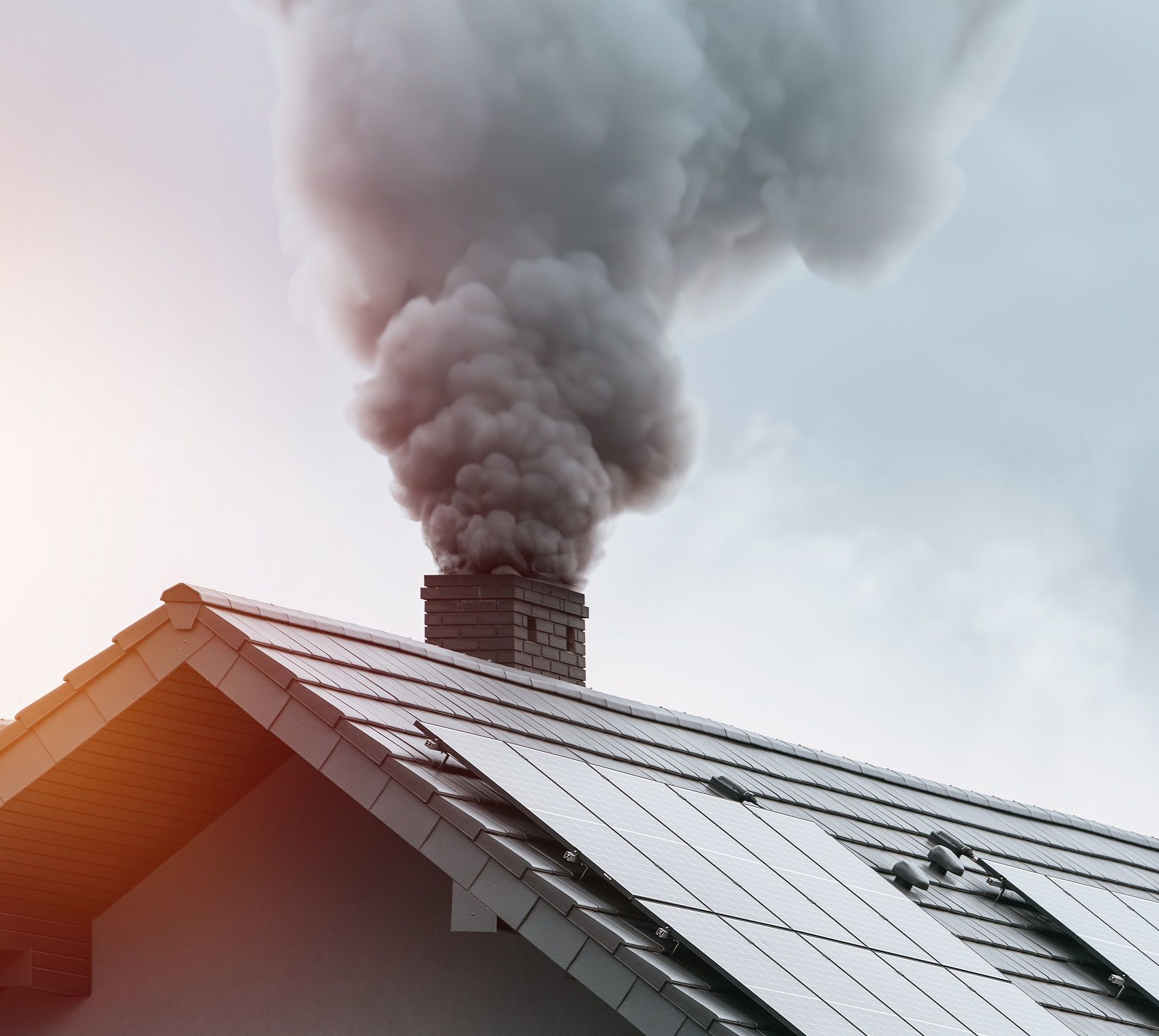
The building sector is making a significant contribution to exacerbating this problem, but is also part of the solution. This is because reducing CO₂ emissions in the building sector can make a significant contribution to reducing global CO₂ pollution and thus counteract climate change.
How much CO₂ is produced during the construction of new buildings and what role do existing buildings play?
Newly constructed buildings are undoubtedly a significant factor in the generation of CO₂ emissions in the construction sector. According to current estimates, the construction and operation of buildings causes around 40 percent of total CO₂ emissions worldwide.
But it is not enough just to consider future buildings. This is because it is comparatively easy to take measures to increase the energy efficiency of buildings in advance during planning and design. Existing properties, on the other hand, make up the vast majority of building management and are much more complex to renovate in terms of energy efficiency.
The environmental impact of new buildings
New buildings not only require a large amount of resources such as concrete, steel, wood and energy for the production of building materials, but also cause emissions during the construction phase. The manufacturing process of cement alone, a main component of concrete, contributes around 8 percent of global CO₂ emissions worldwide. Construction machinery, transportation and the actual construction processes usually cause additional CO₂ emissions.
Existing buildings as the key to sustainability

Sustainable modernization of existing buildings can lead to considerable savings. In fact, experts estimate that an effective energy-efficient refurbishment of existing buildings can reduce energy consumption by up to 80 percent. This corresponds to a significant reduction in CO₂ emissions from existing buildings. Legislative initiatives such as the Building Energy Act should also be seen in this context.
How can CO₂ emissions in the building sector be reduced?
Reducing CO₂ emissions in the building sector is essential if global and national climate targets are to be achieved. Fortunately, there are a variety of effective strategies and technologies available to make the sector more sustainable.
Energy efficiency as a cornerstone
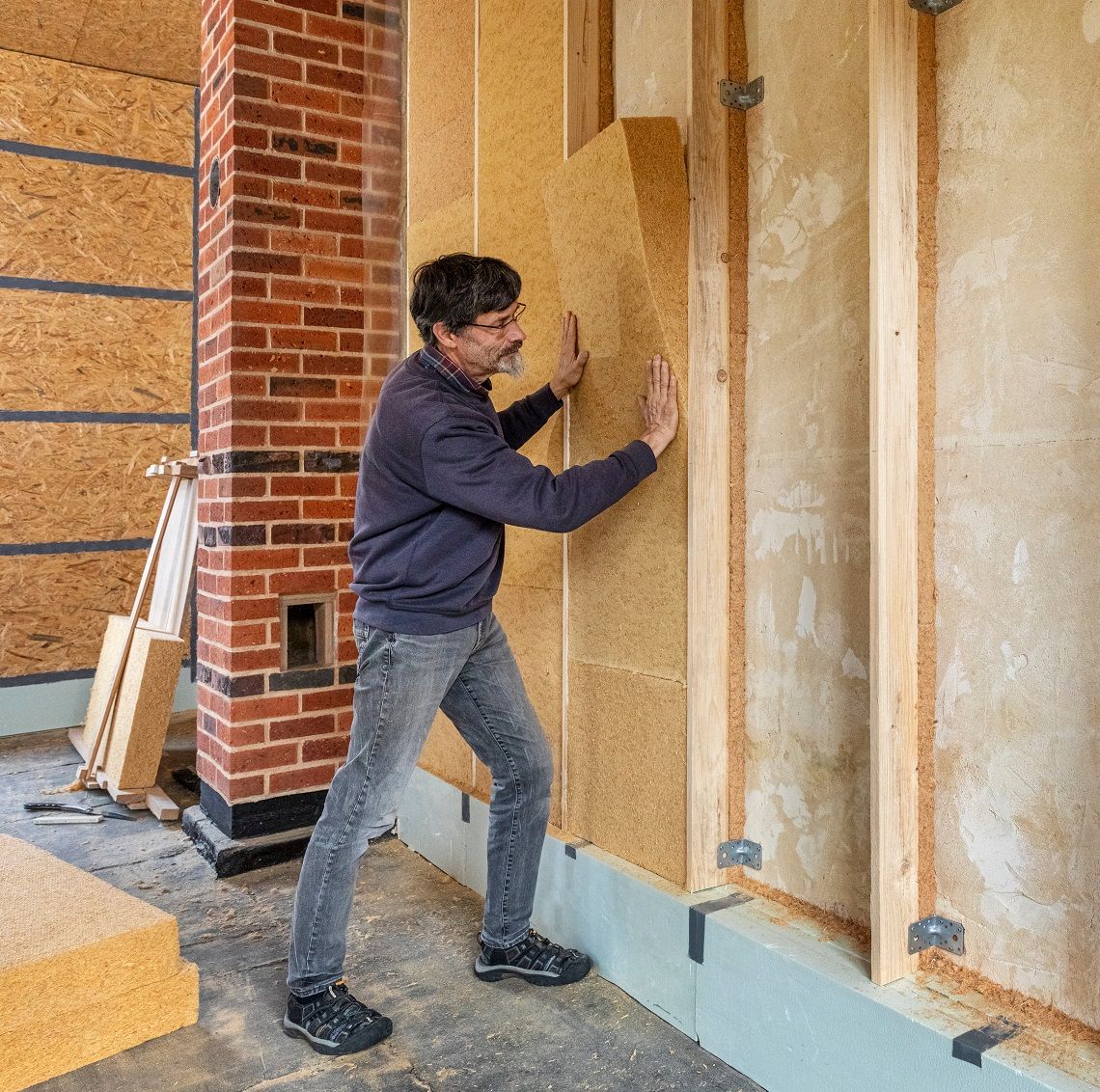
Improving the energy efficiency of buildings is a decisive step towards reducing emissions. This includes the optimization of thermal insulation, the use of efficient heating, cooling and ventilation systems as well as the use of energy-efficient lighting and household appliances.
Digital tools such as Trimble Nova can support the planning and implementation of energy-efficient building technology. This is because specialized BIM software offers a wide range of functions in this context that enable holistic processing and the contemporary integration of energy measures in complex projects.
Using renewable energies
The increased use of renewable energies such as solar and wind power in buildings can make a drastic contribution to reducing CO₂ emissions in the building sector. Photovoltaic systems on roofs, wind turbines and innovative energy storage solutions enable a sustainable energy supply that significantly reduces the need for fossil fuels.
Sustainable building materials
Choosing the right building materials is another way of reducing CO₂ emissions in the construction industry. The use of climate-friendly materials such as wood from sustainable forestry, energy-efficient concrete and recyclable building materials helps to minimize the ecological footprint of buildings.
Building automation and intelligent technologies
Modern technologies such as intelligent building automation systems enable precise control of energy consumption and indoor climate. These systems can optimize energy consumption in buildings by adapting heating, cooling and lighting to actual needs.
But even during the actual construction of buildings, digital tools such as Viewpoint For Projects can increase implementation efficiency with more sustainable processes. With digital document management and precise cost and budget control, the software helps to optimize the project process, increase effectiveness and reduce the risk of errors and delays.
Reducing CO₂ emissions in the building sector requires a coordinated effort at various levels. From improving energy efficiency to increasing the use of renewable energy and promoting sustainable building materials, there are numerous ways to bring about positive change.
Digitalization has permeated almost all aspects of our lives in recent years, and the fight against climate change is no exception. However, it is not an end in itself - the intelligent integration of digital technologies can make a decisive contribution to the decarbonization of our planet and the construction of buildings, particularly in the construction industry.
Efficient planning and design
Digital planning tools and Building Information Modeling (BIM) enable more precise planning and construction of buildings. This leads to an optimization of the use of resources and reduces waste, which ultimately lowers CO₂ emissions in the building sector during the construction process.
Sustainable building materials and supply chains
Digital platforms can be used to track building materials and products along the supply chain. This enables the identification of sustainable materials and the reduction of emissions through the efficient transportation of building materials.
Life cycle management of buildings
Software supports building management, from planning and construction to operation and refurbishment or dismantling. This enables continuous optimization of the energy efficiency and sustainability of buildings.
Training and sensitization
Digitalization connects. A shared data environment can train construction managers, architects and other professionals in sustainability aspects and environmentally friendly building practices. This helps to create awareness of sustainable construction - and thus promote the implementation of decarbonization strategies to reduce CO₂ emissions in the building sector.

