What do construction projects, evening events and political parties have in common? At first glance, not much - but they are all based on a program that defines a basic framework. For example, the construction programme specifies key planning aspects of the actual construction project.
But which guidelines and laws are relevant? And which elements should a comprehensive construction program contain if possible? We provide an overview and decode the secret to success in order to master the complex construction law with a suitable construction program.
The most important facts in brief
A construction program is the planning basis for construction projects.
It is used to control and coordinate all project participants.
Digital tools facilitate the management of complex construction programs.
What is a construction program?
It is the heart of a construction project. The construction program provides a detailed plan that covers all phases of the construction project from conception to completion. It is not just a timetable, but a comprehensive document that defines the objectives, methods, resources, time frame and stakeholders involved.
The importance of a structured construction program
It serves as a guide for everyone involved in the project and ensures that each phase of work is carefully planned and coordinated. A well thought-out construction programme minimizes risks, optimizes resources and ensures that the project is completed on time and within budget.
Core elements in the creation of a construction schedule are in particular:
Project scope: A clear definition of what is to be built, including all technical specifications and requirements.
Scheduling: Detailed schedules that define the start and end dates for each phase of the project.
Resource planning: A list of the required materials, equipment and manpower and their timely availability.
Budgeting: An accurate cost estimate and budget allocation for each phase of the project - this includes construction grants.
Risk management: Identification of potential risks and development of strategies to minimize them.
Quality control: Standards and procedures to ensure the quality of construction work.
Stakeholder management: A plan for communicating and involving all stakeholders, from clients to contractors to authorities.
In Germany, there are no specific legal provisions that explicitly and exclusively relate to construction programs. However, like all building documents and plans, they are subject to the general legal framework set out in building and planning law.
Key components of this legal framework are, for example, the German Building Code (BauGB) and the state building regulations (LBO) of the respective federal states. These laws define basic requirements and standards for construction projects.
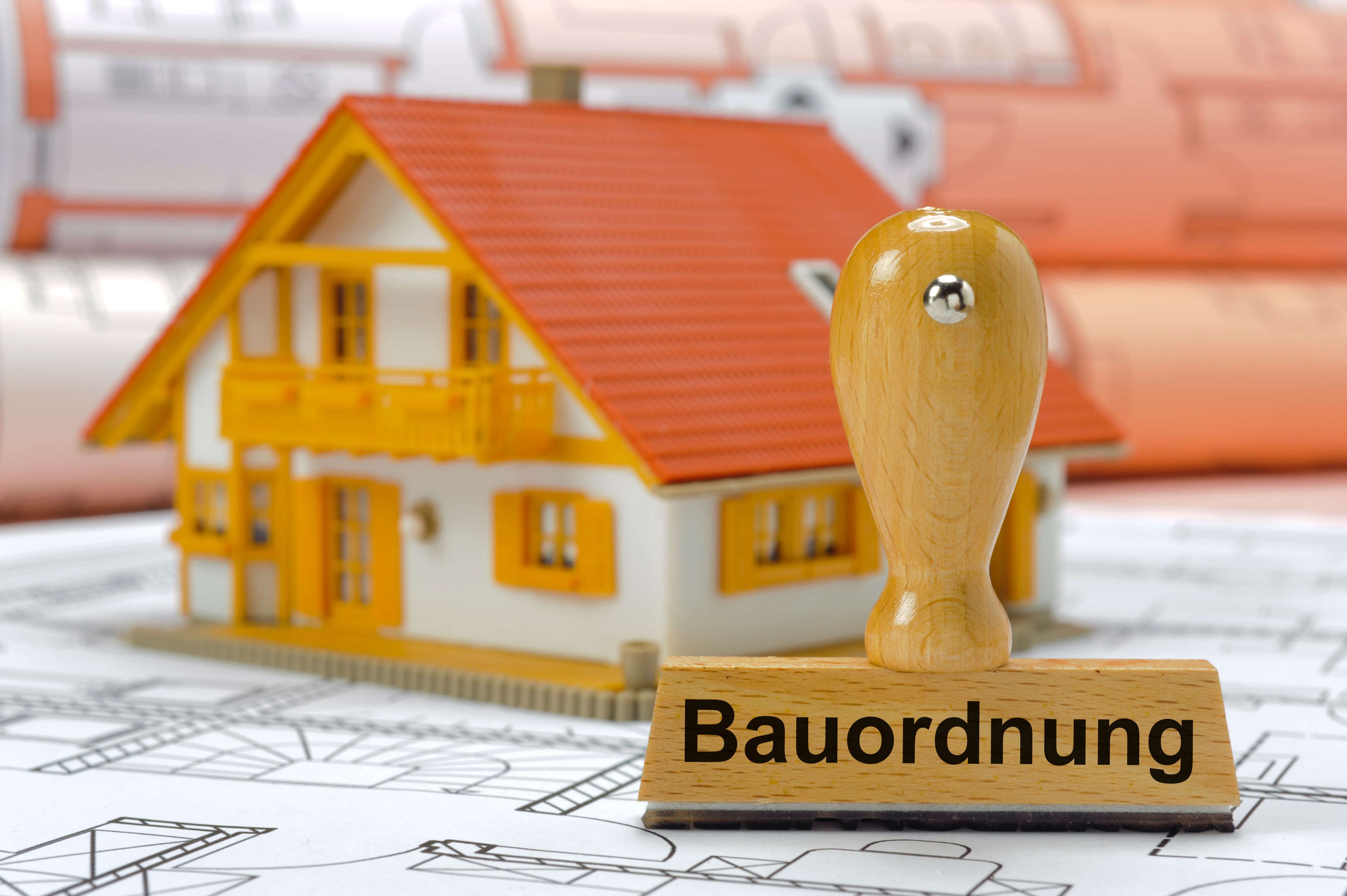
In addition, there is the Fee Structure for Architects and Engineers (HOAI), which sets out important guidelines for the remuneration of planning services. In the case of public construction contracts, the procurement regulations in accordance with the German Construction Contract Procedures (VOB) must also be observed.
How can building owners and project managers comply with all legal requirements?
Compliance with the legal requirements is crucial in order to avoid legal consequences later on and to ensure the successful realization of the construction project. However, this requires sufficient knowledge of the relevant laws and regulations - or the necessary external expertise.
Digital efficiency through construction software
Complex construction projects are always accompanied by numerous requirements, guidelines and legal specifications. Digital tools can be a decisive help in maintaining an overview when implementing the construction program in practice.
Software solutions offer a variety of features that make the entire process more efficient, accurate and transparent. With the integration of construction software such as Viewpoint For Projects, building owners can ensure ongoing compliance with all legal requirements.
The following functions, for example, provide support:
Updating legal requirements: As laws and regulations can change, modern construction software makes it possible to integrate these changes promptly. This ensures that the construction program always complies with the latest legal requirements.
Document management and archiving: Construction software facilitates the management and archiving of important documents such as permits, contracts and safety protocols. Proper documentation is crucial in order to be able to prove that all regulations have been complied with during legal reviews or audits.
Risk management and reporting: The software enables detailed risk analysis and monitoring, which is particularly important for compliance with legal requirements. In addition, reports can be created that show compliance in various project phases.
Improved communication and transparency: By providing a central platform for information and communication, construction software promotes transparency and ensures that all parties involved are informed about the legal requirements and comply with them accordingly.
With these advantages, construction software can quickly become an indispensable tool for the legally compliant creation and implementation of a construction program. It not only offers tools for monitoring and ensuring compliance, but also supports efficient and transparent project management.
Construction software and construction programs go hand in hand
Programs are essential to give projects, events and plans a solid foundation in terms of planning. A construction program is no different.
It specifies the planning phase of a project, defines its key elements and bundles all relevant information. This makes it crucial for planners and other players in the construction phase, as they are guided by the specifications described there during implementation.
Implementation is massively simplified by digital tools. In addition to Viewpoint For Projects, solutions such as Viewpoint Field View are true all-rounders in construction practice, as they transfer the benefits of digital construction programs directly to the construction site. As cloud-based and mobile offline software, Field View replaces traditional pen-and-paper work in the field with customized forms for smartphones and tablets.
The software thus facilitates the digital application of construction programs and promotes efficient, seamless communication between the office and the construction site.

