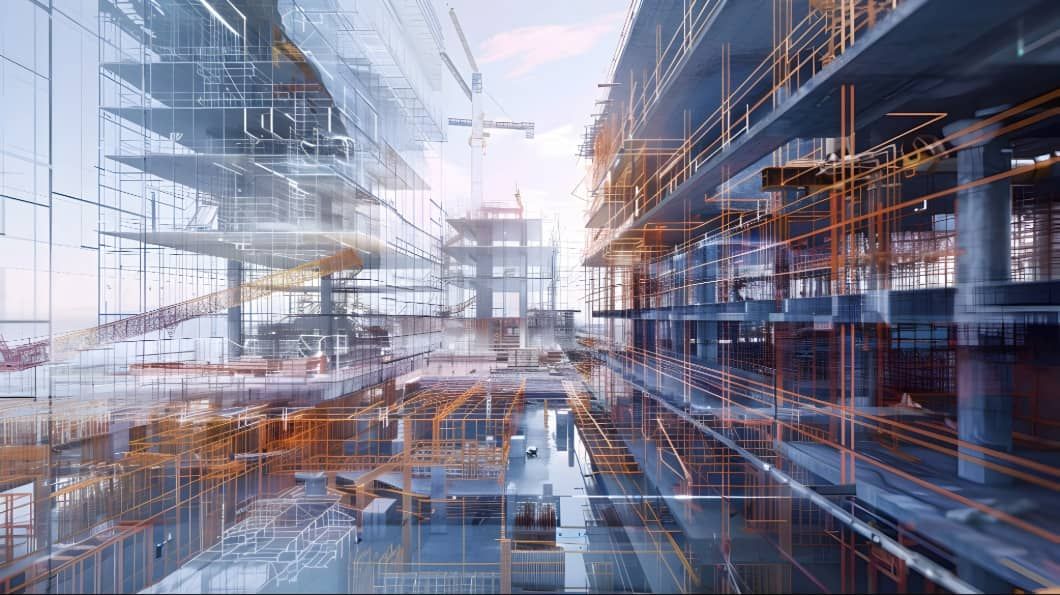
Your next construction project can be much more efficient and profitable by being truly connected.
In today's fast-paced and highly competitive construction industry, being truly connected can significantly benefit your business. By using the latest technologies and data analytics, engineers, architects, contractors, project managers and other stakeholders can identify areas for improvement, reduce costs and optimize operations to stay ahead. This can ultimately lead to increased profitability and growth.
Here are five reasons why you should strive for true connection in a construction project
1. Connected Construction enables better-informed decision-making to maximize opportunities
Information is power, especially when the information is available to the right people at the right time. When people are connected and information is easily accessible, team members and various project stakeholders can coordinate, communicate and collaborate in ways that help maximize opportunities.
Connected Construction enables the collection and analysis of data from multiple sources, including sensors, cameras and mobile devices. This data can be used to make data-driven decisions, optimize workflows and identify areas for improvement.
Download the eBook Connected Construction: A new technological mindset for a new era.
"A connected construction experience has the potential to deliver more projects fully, on time, in spec and on budget, resulting in higher revenues and better profit margins for your business." GlobalData Plc. Drake, C. , Williams, D., and Armengol, S. 2022. Connected Construction: A new technological mindset for a new era (p.34).
Connected Construction is about enabling a seamless flow of information between stakeholders in a project - from architects and designers to contractors working on site. Connected workflows and relevant data give all these stakeholders a better view of the entire project and a holistic understanding of all the moving parts. This provides more opportunities for discussion and collaboration, reduces response times and enables faster and better decision-making.
2. Connected Construction increases efficiency and minimizes risk
Your team can increase efficiency by leveraging technology to streamline processes and optimize resource allocation. It allows different stakeholders to access and use a single source of truth where the latest and most relevant data is collected. This speeds up the construction process by reducing the time required for RFIs, waiting for other teams and fixing errors.
Change management is also easy because it is automatically visible to everyone when a change occurs. Stakeholders can be confident that they are working with the latest information. This also makes it possible to make changes without sacrificing additional resources.
Connected Construction minimizes risk by automating information sharing, minimizing data loss and reducing duplication of effort. It also improves risk management and safety by providing better insight into each construction project. When stakeholders understand a project as a whole, they can more easily collaborate to remove any obstacles.
Download the eBook Connected Construction: A new technological mindset for a new era.
3. Connecting the physical with the digital to achieve better project results
Connecting the physical with the digital in construction refers to the integration of digital technology with physical objects and processes common in the construction industry. This important trend can help construction companies stay competitive and achieve better project outcomes in today's digital age.
It is a trend that can bring numerous benefits, including better project outcomes, increased productivity, reduced risk and increased safety. By collecting and analyzing real-time data, companies can identify potential problems and take corrective action before costly delays or errors are caused. Connecting the physical and digital also enables better communication and collaboration between all stakeholders in a construction project - leading to better project outcomes and greater customer satisfaction.
A digital twin is a 3D virtual physical asset or system representation of a construction project that can be viewed from different angles. This allows stakeholders to visualize the final product before construction begins. It can also be used to simulate different construction scenarios and facilitate collaboration between different stakeholders, allowing them to work together more efficiently.
4. Making connections and adding real value
Teams can collaborate more effectively and in real time by connecting all stakeholders in a construction project, including designers, contractors, suppliers and customers. This can help identify and solve problems quickly, leading to better project outcomes. When stakeholders clearly understand the project, its requirements and goals, they can all work together on the same results. Working together in this way means they can keep the project on track and minimize risks. Understanding each other's roles in the project helps avoid duplication of effort and other costly surprises because any problems are visualized, identified and resolved early on.
Download the eBook Connected Construction: A new technological mindset for a new era.
"Better managed projects and more streamlined processes - including the ability to process data in the field - can help companies realize cost savings through reduced labor costs and wasted resources, while also contributing to higher profit margins," GlobalData Plc. Drake, C. , Williams, D., and Armengol, S. 2022. Connected Construction: A new technological mindset for a new era (p.07).
5. Building more sustainable and better to last for generations
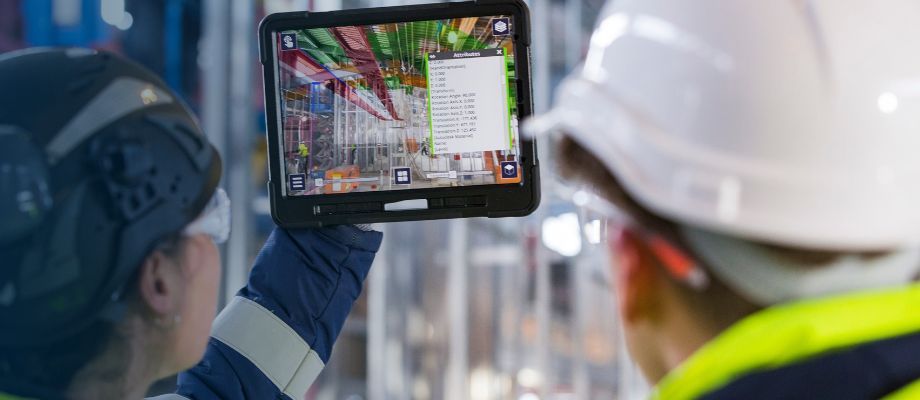
A more connected workflow allows you to work more sustainably, collecting and analyzing data that affects rework, waste management and even the carbon impact of a given construction project. Breaking down communication barriers and encouraging collaboration and data sharing between project teams is key to reducing wasted materials and effort.
Download the eBook Connected Construction: A new technological mindset for a new era.
"A Connected Construction experience in which different business processes and departments have access to a single source of business intelligence can help manage assets more effectively and reduce wasted resources," GlobalData Plc. Drake, C. , Williams, D., and Armengol, S. 2022. Connected Construction: A new technological mindset for a new era (p.34).
Connected Construction: gaining a competitive advantage with a new technological mindset.
Using state-of-the-art technology combined with the latest operational processes helps create a competitive advantage. By minimizing workflow inefficiencies, all stakeholders throughout the project lifecycle can achieve an end result built to the highest potential.
The GlobalData eBook explores some emerging trends in construction technology, including augmented reality and artificial intelligence. It offers insight into how these technologies are being used in construction projects today and how they are shaping the future of the industry.
You'll find these answers and much more in our eBook "Connected Construction: A New Technological Thinking for a New Era. We show what you might encounter in the journey to digital transformation. It also includes examples of construction companies that have already made strides by investing in innovative technology. You'll read what they're getting out of it. With all this information, you can start preparing for the future of your construction company!
And read what digital transformation can mean for (the future of) your business.

